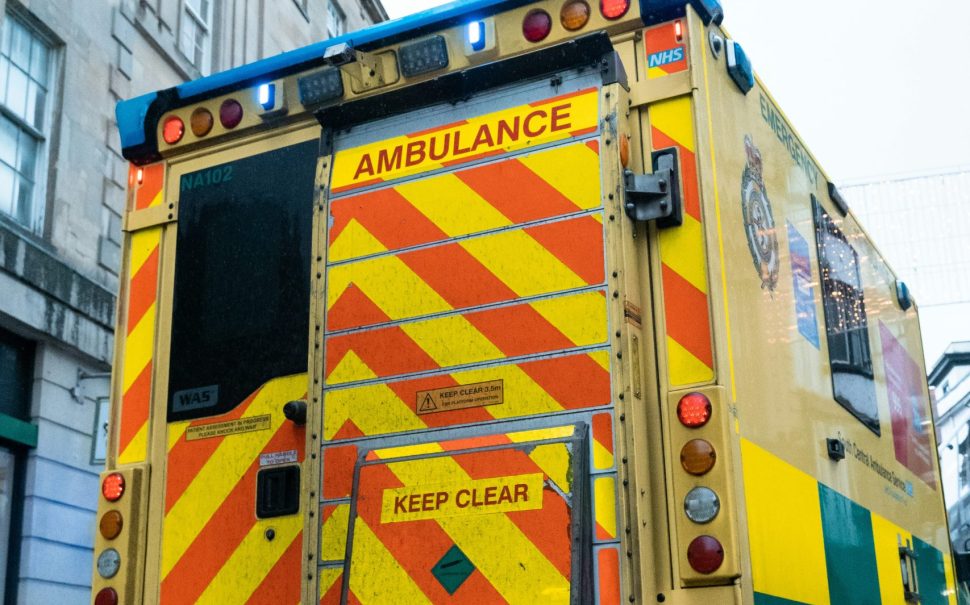
Frontline ambulance staff are facing an ever increasing amount of on-duty assaults, as 66 frontline clinical ambulance staff are attacked each day in 2024/2025, according to AACE (Association of Ambulance Chief Executives) data.
The amount of violent incidents on ambulance staff increased by 15% between 2022/23 to 2023/24, continuing to rise in 2025 with a record number of violent incidents totalling over 20,000 in one year.
The highest rates of violent incidents take place over the music festival season in summer and the Christmas period in winter, during peak periods of alcohol consumption.
In London, over 53% of frontline staff have reported being physically attacked on shift, leading the London Ambulance Service to call upon the public to respect their staff in their “All I want for Christmas… Is Respect” campaign.
Jason Killens, chief executive of London Ambulance Service, said: “During the festive season when Londoners are celebrating, our people are working tirelessly to save lives.
“Any violence, threats or harassment is completely unacceptable.
“No one should face this at work and on top of the hurt and harm it causes our people, it can prevent us from caring for patients who need our help.”
In April 2025, AACE called upon ministers to address the rise in violence, citing that the most prominent reasons for such incidents were alcohol, drug use, and mental health.
The current AACE data likely understates the true scale of violent assaults that frontline ambulance staff face, since many incidents go unreported due to the culture of the service and sympathy for the patients.
A male frontline ambulance clinician, speaking anonymously, said: “The service broadly is getting a whole lot better at reporting, but it depends how you define an assault.
“I tend to report if they have been violent toward me and it’s not a confusion-related thing, as sometimes you’ll get dementia patients that are confused as to where they are and they aren’t being malicious, there’s no intent behind it, and it’s low risk.
“That is quite different to somebody intoxicated who swings at you because they don’t want you to take them to hospital.”
Assaults that take place in low-risk situations are often reported to managers who can take precautions to protect ambulance workers without these visits, such as bringing a police escort to ambulances dispatched to historically violent patients.
Although the perceived threat posed by patients varies also based upon the size of the crew.
A female frontline staffer, also speaking anonymously, said: “Its very different if you’re a 100 kilo six-foot male versus a fifty kilo five-foot woman as to what you consider a violent risk to your health, so as a woman I have quite a low bar for calling in back up when a patient acts aggressively.”
The ambulance service has introduced a range of preventative measures for on-shift assaults, including violent incident training, piloting body-worn cameras, and specialised violence prevention teams within each ambulance trust.
Ambulance workers also receive support at their discretion following an incident of assault such as physical rehabilitation, mental health support, and work-related sick leave.
Injuries to frontline ambulance staff in London as a result of physical assaults by patients, visitors, and other members of the public has increased by 52.5% in the past three years, according to information obtained through a freedom of information request.
However, many frontline staff are still expected to respond to calls following an incident of assault, provided they have not sustained major physical or psychological damage from the incident.
Reflecting on the culture surrounding on-shift assaults in the service, the male frontline staffer said: “It’s the nature of a job – high-pressure and intense, especially with increasing pressure on hospitals.
“There is an increased stress on crews being on top of their timings and completing job cycles quickly, which means we need to respond to more calls.
“Whilst that is good, it does add to the culture of just getting on with it within the service.”
In August 2025, ambulance response times for category 1 calls (immediate life-threatening injuries or illnesses) reached its fastest rate since April 2022, with response times averaging six minutes and 40 seconds.
While shorter response times is a sign that the service is improving their ways of working, the pressure to respond quickly to calls alongside the rising rate of violent on-shift assaults has contributed to declining mental health amongst frontline crews.
In September 2025, NHS England published sickness and absence data that exhibited over a quarter of absences amongst ambulance staff was for psychiatric illnesses such as anxiety, stress, and depression.
With the data for on-shift assaults in 2025/26 set to be released later this year, it remains to be seen if the current campaign and violence precautions have been effective in protecting those who protect our communities on a daily basis.
Featured image credit: Krzysztof Hepner on Unsplash



Join the discussion