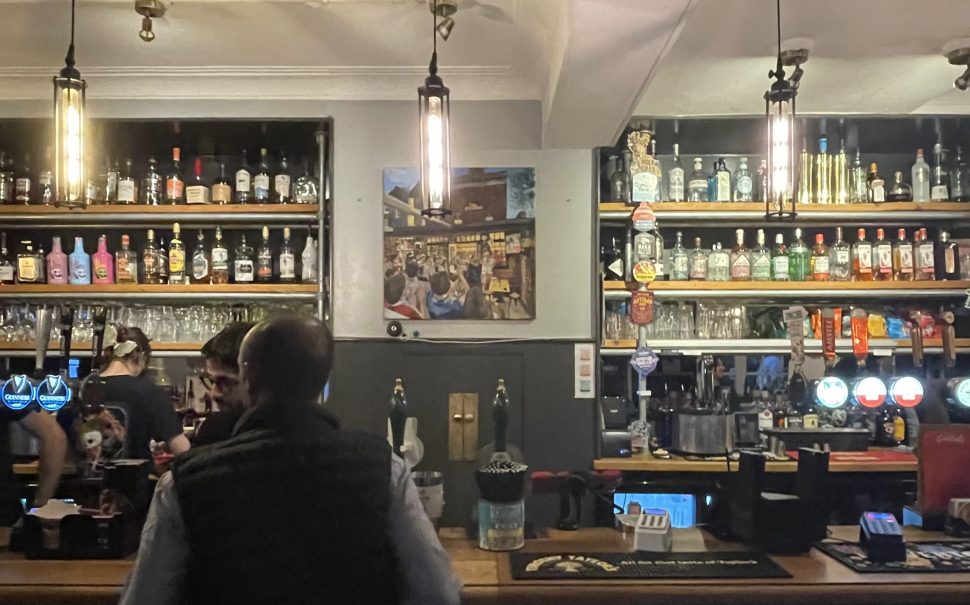
The price of a pint has increased five-fold nationally as relentless inflation and rising costs have pushed London pubs to the limit.
Londoners are spending £3,776 a year on average in pubs, bars and nightclubs, according to data from credit card firm Aqua.
Those aged 35 to 44 are the biggest spenders, averaging £5,652 a year, followed by those 25-34, who are spending £4,968 a year.
More than a third of Britons (35%) spent money at pubs or bars in the past year, while 9% went clubbing.
The data shows a near-continuous rise in the average price of a pint of draught lager over the past 38 years, seeing a 358% increase in the price of bitter and 419% for lager from 1987 to January 2025.
A pint of lager cost around 93p at the earliest data point, and rose above £1.50 by the mid-1990s and passed £2 in the early 2000s.
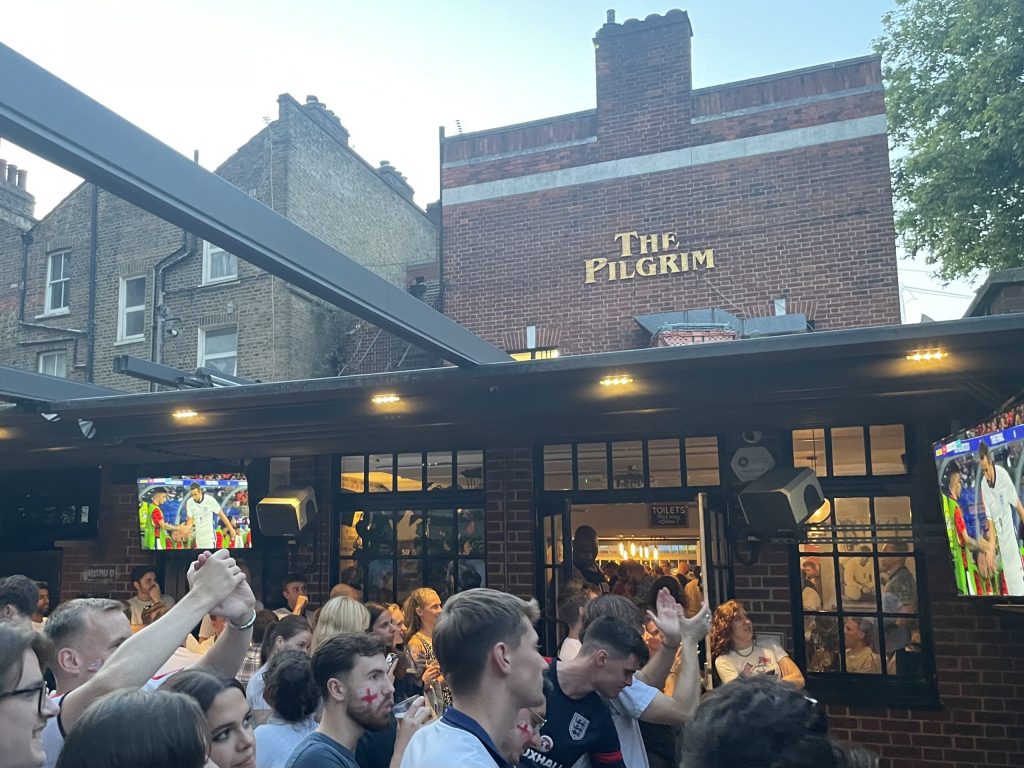
Jade Jones, manager of The Pilgrim Pub in south London, said price rises were unavoidable.
She said: “The government budget affects everything. You can only cut so much before it becomes impossible.
“Draft beer is popular but margins are tight, especially for tied pubs that can only buy from certain suppliers.”
She added that events such as the Men’s Football World Cup later this year remain crucial.
Jones said: “They bring people out, especially in summer, and that can make the difference between surviving and closing.”
For drinkers, this makes the pub pint an increasingly expensive habit.
And for pubs, the trend reflects mounting cost pressures as opposed to rising margins, raising questions about the long-term sustainability of the model if prices continue this trend.
Bitter has followed a similar path, with prices rising 47% between 2000 and 2025.
For some, higher prices have changed habits. Olivia Temple, a former regular pub-goer, has cut back almost entirely.
Olivia, who is taking part in dry January to save money, said: “I loved going to the pub with friends or after work.
“But paying seven or eight pounds for a Guinness is just silly. London is too expensive, if I was living elsewhere in the country, it might be different.”
Others are still willing to pay. Charlie Raw said pub visits remain part of his routine, particularly with sporting events.
He said: “I don’t know how expensive a pint would have to be before I stopped going, especially with the sport on at the weekends.
“Sometimes we drink at home instead, but pubs are just great.”
London tops the list at £4.50, closely followed by Birmingham at £4.40, reflecting high living costs and strong demand in major urban centres.
However coastal and historic southern cities such as Brighton, Portsmouth, and Canterbury also see pints at or above £4.
University cities like Oxford and Norwich maintain similar levels, likely influenced by student spending and tourism.
In contrast, northern cities such as Liverpool and Newcastle offer the cheapest pints at £3.70, while other northern and central cities like York, Nottingham, and Bristol remain under £4.
This trend highlights growing regional disparities in leisure costs, making nights out in the south increasingly pricey compared with more affordable northern alternatives.
Campaign group CAMRA warned that rising prices risk pricing people out altogether.
Ellen Eames, director of CAMRA Greater London, said pubs were facing “a tidal wave of challenges”, including business rates, energy bills and higher employment costs.
Eames said: “Pubs serve as vital third spaces in the UK. While they are places to enjoy great beer and cider, they are also essential places for people to meet with friends, and feel like they belong to a community.
“These price rises are forced onto publicans just trying to keep their pub open. It is either they raise their prices, or they shut their doors for good. This shouldn’t be a decision they have to make.”
UK pubs have fallen from 60,800 in 2000 to 45,000 in 2024, a drop of more than 25%.
The decline, steady but accelerating after 2007, reflects economic pressures, changing drinking habits, and tighter regulations. Even the pandemic did little to halt the trend.
Cost pressures are already reshaping the sector. An average of one pub a day closed permanently in England and Wales in 2025, with 366 sites lost over the year, according to government data analysed by tax specialist company Ryan.
On Tuesday, the Labour Government announced a support package and reduced business rates to back struggling London pubs.
On top of the support from the Autumn Budget, pubs will receive a 15% cut to new business rates bills from April followed by a two-year real-terms freeze, as well as a review into the ways used to value them for business rates.
The three-year package is worth £1,650 for the average pub according to Treasury Minister Dan Tomlinson.
Chancellor of the Exchequer Rachel Reeves said: “If we’re going to restore the pride in our communities, we need our pubs and our high streets to thrive.
“We’re backing British pubs with additional support, and our new High Streets Strategy will help tackle the long-term challenges that our much-loved retail, leisure and hospitality businesses have faced.
“Thriving local businesses, bustling high streets and pride restored in our communities – that’s what this government is delivering.”

Join the discussion