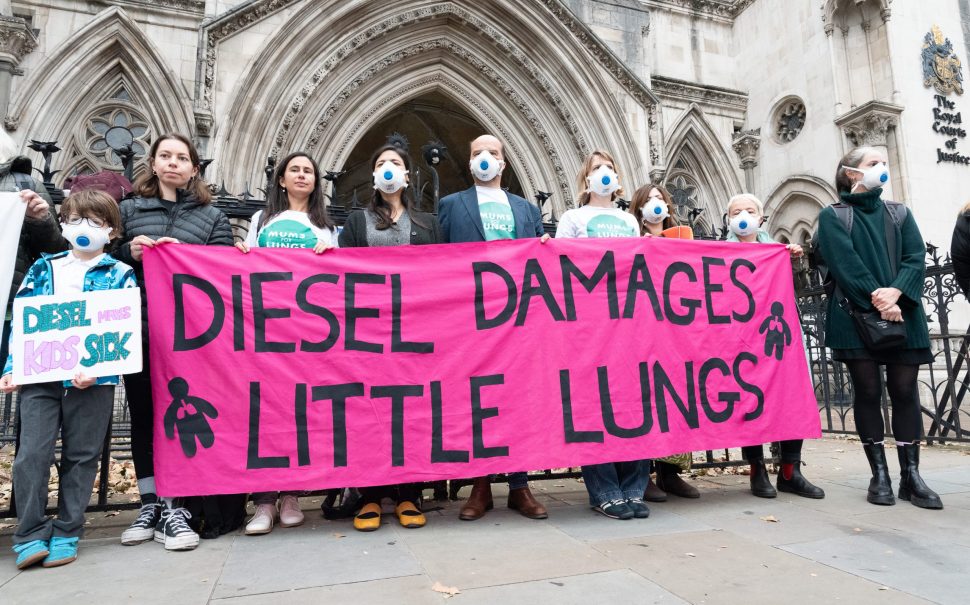
A decade after the Dieselgate scandal first exposed emissions test manipulation in diesel cars, London remains one of the UK’s worst-affected cities, despite a significant fall in diesel use since 2017.
Millions of diesel vehicles are still licensed on its roads, according to new research from campaign group Mums for Lungs, which suggests the use of illegal “defeat devices” remains widespread.
The initial scandal erupted in 2015 after Volkswagen admitted installing illegal software to cheat emissions tests.
This led to the recall of hundreds of thousands of diesel vehicles in the UK and billions of pounds in fines, compensation and legal settlements, alongside tighter UK emissions testing and increased scrutiny of car manufacturers by regulators and the courts.
Jemima Hartshorn, founder of Mums for Lungs, said: “Vehicle exhaust emissions are the largest single contributor to NOx, a gas that inflames lungs.
“Air pollution is shortening the lives of up to 43,000 people a year in the UK and many hundreds of thousands more are sick with illnesses such as asthma, lung and cardiac conditions, dementia or cancer.
“This looks like a sequel to the original Dieselgate, in which car manufacturers across the world were found to have installed defeat devices in their cars, to hide that these were emitting illegal levels of toxic gases.
“These cars are still on our roads polluting our towns and cities and making our children sick. We deserve to understand what is going on now, we need these documents to be made publicly available due to the significant public interest in this matter.”
Research published by Mums for Lungs estimates that diesel cars fitted with emissions-cheating technology are responsible for almost 40% of excess nitrogen oxide (NOx) pollution from road transport nationally.
London bears a disproportionate share of the resulting health burden due to its dense traffic, high population and persistent air-quality hotspots, despite accounting for only around a third of vehicles on the road.
Campaigners argue that the concentration of traffic and exposure means the health impacts of excess emissions are felt more acutely in the capital than elsewhere.
The findings come as the UK’s largest ever class action prepares to enter a crucial phase at the High Court of Justice, where judges are being asked to decide whether key documents relating to alleged emissions cheating should be disclosed under a public-interest test.
More than 1.5 million diesel vehicle owners are involved in the claim, led by law firm Pogust Goodhead, making it the biggest group action in British legal history.
Around 7.5 million Euro 5 and Euro 6 vehicles, which were marketed as cleaner and more environmentally friendly, remain in use.
These contribute 51,400 tonnes of illegal NOx annually, equivalent to 28.5% of all excess NOx emissions from road transport in the UK, a figure campaigners say is far higher than previously assumed.
While diesel use in London has fallen significantly since Dieselgate, dropping by around a third since 2015, more than 2.6 million diesel cars and vans were still licensed across the capital in 2023, Office for National Statistics data shows.
Outer boroughs such as Hillingdon, Bromley, Havering and Croydon each hosted well over 130,000 diesel vehicles, reflecting higher car dependency and lower public transport coverage than in central London.
Comparative data from Greater Manchester shows a slower decline but significantly lower overall vehicle numbers, highlighting how London continues to carry a far larger diesel burden despite faster progress.
This leads to the highest concentrations of diesel vehicles, compounding inequalities in exposure to toxic air.
Vehicle exhaust emissions remain the capital’s largest single source of NOx, and roadside pollution levels have long exceeded legal limits along major routes.
Children are particularly vulnerable to traffic-related air pollution, as they breathe more rapidly than adults and are physically closer to exhaust height, meaning they inhale a greater concentration of harmful pollutants.
Studies have repeatedly linked exposure to roadside pollution with reduced lung growth, higher rates of asthma and increased hospital admissions among children living near busy roads.
The Royal College of Physicians estimates air pollution costs the UK economy more than £27 billion a year in healthcare costs and lost productivity, a figure that far outweighs current government investment in clean-air measures.
Dr Elizabeth Wan, a resident doctor in North London, said: “As the mum of a child with asthma, and an NHS doctor, I find it truly shocking how air pollution is being deprioritised, both on a local and national level.
“There would be significant economic gains to cleaning the air, much greater than any short-term costs in implementing the necessary measures, not to mention the very real personal benefits to the many families such as mine who have children with chest problems.”
A 2023 study by the International Council on Clean Transportation found that 77% of Euro 6 diesel cars and 85% of Euro 5 models showed “suspicious” emissions test results consistent with the use of prohibited defeat devices.
The Centre for Research on Energy and Clean Air estimates that excess pollution from diesel vehicles likely fitted with illegal defeat devices has already contributed to around 16,000 premature deaths across the UK, alongside 30,000 new cases of childhood asthma.
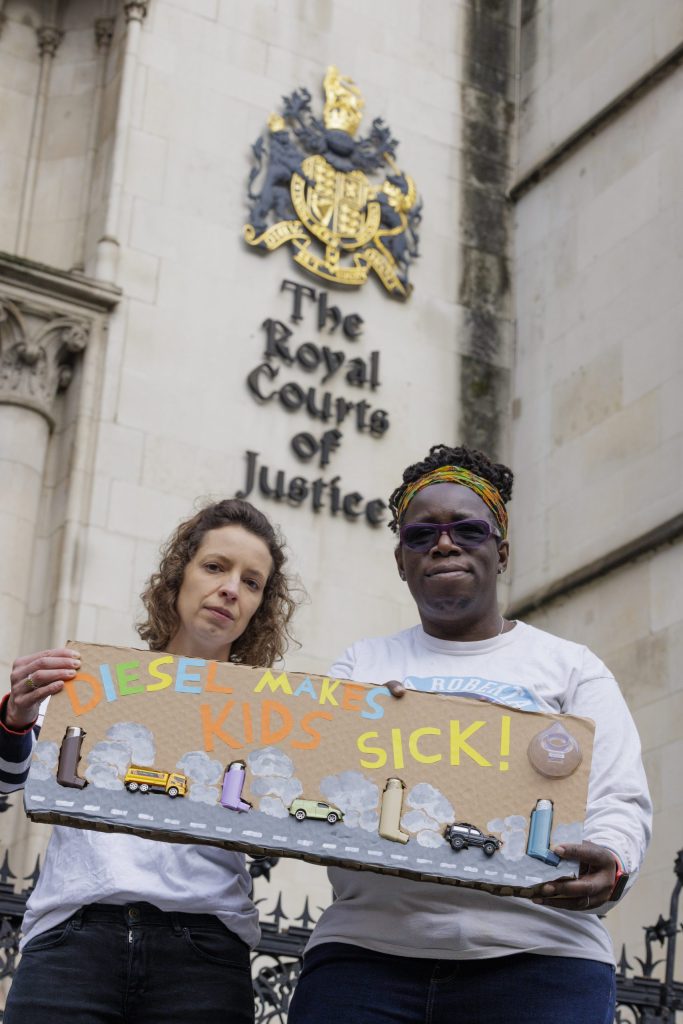
Rosamund Adoo-Kissi-Debrah CBE, founder of the clean air charity Ella Roberta Foundation said:
“The air we breathe in the U.K. is toxic, but the public cannot see it because it is invisible.
“We know that NOx emissions from vehicle exhausts are a major source of air pollution in the UK, what is worse it seems, is some cars we drive are more polluting than we believe or are being told. I believe that is wrong.
“For the public to be misled is unforgivable, and I hope through this court process that car manufacturers will be held to account.
“Air pollution is killing people, it is causing horrific damage to people’s health and I believe we all have a right to breathe safe, clean air.
“Air pollution from vehicle exhausts killed my daughter Ella, and I want to ensure no other families have to suffer like she did, like we continue to suffer without her in our lives.”
Despite falling diesel sales and gradual improvements in air quality, millions of diesel vehicles remain licensed and in daily use across the capital.
As the largest group claim in UK legal history moves closer to trial, the question facing policymakers is whether accountability will finally translate into decisive action, or whether Londoners will continue to pay the price in the air they breathe.
Banner Photo credit: Ron-Fassbender/ Mum for Lungs.

Join the discussion