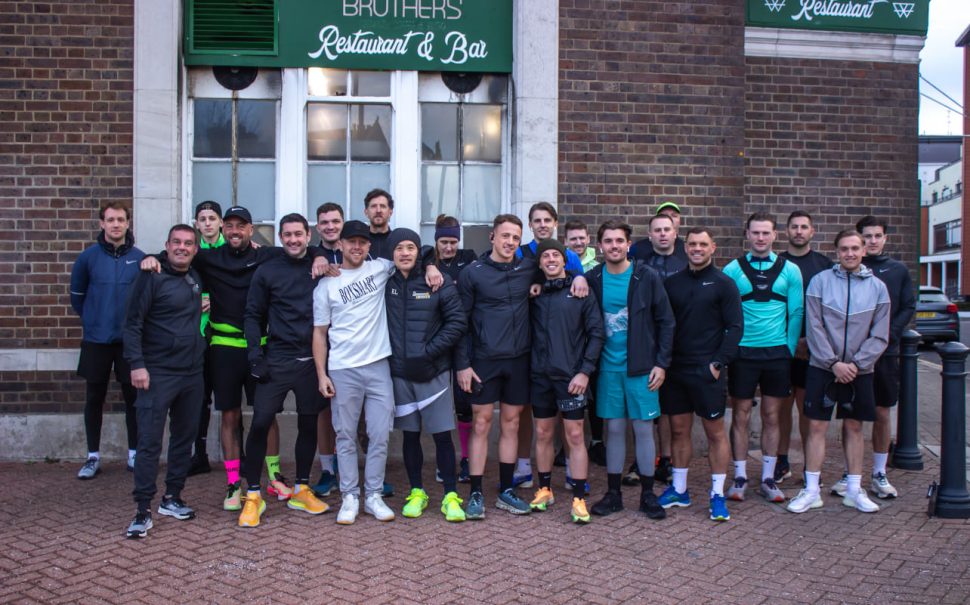
A former two-time British light-middleweight champion has demanded more support for boxers who suffer life-altering injuries and mental health issues after retirement.
Ted Cheeseman was British light-middleweight champion from March to October 2021 and previously from 2018 to 2019, with Cheeseman retiring in 2021.
He has criticised the British Boxing Board of Control (BBBofC), the governing body of professional boxing in the UK, for not providing retired fighters with enough financial support.
He said: “They (the BBBofC) should have a support network for boxers who are licensed to them.”
“They’re happy to take the licence fees off everyone, but I don’t think they really care.”
A light has again been shone on boxing following the death of boxing legend Ricky Hatton in September 2025, who suffered with mental health issues post-retirement.
The BBBofC’s main responsibilities include sanctioning bouts, giving out licences and handing out fines.
Robert W. Smith, general secretary of the The BBBofC, said that while it is easy to criticise the organisation, more in boxing needs to change in terms of attitude to help move the sport forward when it comes to providing support for boxers in need.
He said: “Don’t forget, this is not just boxing; this happens in all of society.”
“But we need to be informed of issues in order to help.
“With Ricky, the last time I saw him, which was a month before his death, he was in an exceptionally good place.”
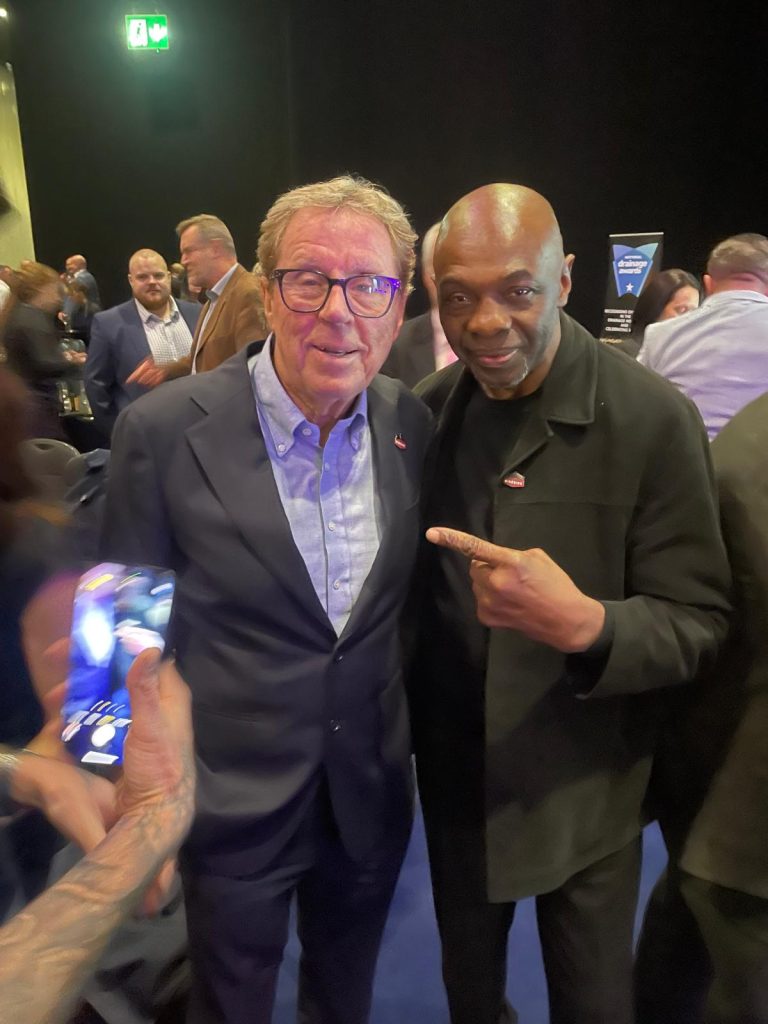
Former heavyweight British, Commonwealth and European champion Derek ‘Sweet D’ Williams, 60, and chairman of the Pedro Club, one of the oldest youth clubs in London, highlighted the tough time faced by some boxers when they retire.
Williams said: “I’m trustee at the Ringside Charity Trust, which is building a care home for boxers who have fallen on hard times, a lot of boxers you don’t know about.
Where does the money go?
The BBBofC collects licence fees for approximately 2500 boxers, costing £184 each per year.
Cheeseman said: “They (the BBBofC) also fine boxers for missing weigh-ins. But where does this money go?
“You’ve got very bad cases like Charlie Wynn but no help from the board to aid his recovery – why aren’t they using that money for that?”
Charlie Wynn was a former boxer who suffered a bleed on the brain during sparring in preparation for his third professional fight and sustained life-changing injuries.
The Wynn Trust is a charitable organisation set up in his name to aid and support boxers who have suffered from brain injuries in Bromley, South East London.
The BBBofC were not involved in the creation of the charity.
Responding to the criticisms on the use of licence fees, general secretary Smith said: “With that money, they (the boxers) are looked after the best we can.
“Fines go into the board’s charity, which deals with ex-boxers and ex-license holders who have fallen on hard times.
“So if people want to ring me up and ask where this money goes I’m very happy to discuss that.”
Responding to the case of Charlie Wynn, Smith said: “The charity we have does give money out each year to ex-boxers who are injured, and with Charlie he was assisted in the best way we could, and then it just went very quiet.
“We don’t have the facilities to keep in contact regularly, and Charlie was quite a long time ago and they’re no longer a licence holder, but if they wish to contact us, we’re happy to talk.”
Smith detailed how the BBBofC is a nonprofit organisation, with ‘everything’ going back into the sport.
The money collected by the board is in the charity which is a separate organisation and that fund gives donations during the course of the year, according to Smith.
He said: “We’ve been criticised recently with regard to it not being transparent, but it’s all in the regulations.”
‘We would be happy for a union’
The general secretary promoted the idea of a union among boxers to attempt to settle some of the questions thrown at them, suggesting the BBBofC would be happy for a union to be set up.
Smith said: “In the 1940s they tried to set up a union. In the 1980s and 90s Barry McGuigan, Nicky Piper and Mickey Cantwell tried it again but the boxers didn’t want it.
“It didn’t work out because it needed to be funded by the boxers themselves and they didn’t want to put the money in.”
Williams said: “The boxing board of control do have things in place for fighters who have fallen on hard times or injuries, like Nick Blackwell, but I don’t think they do enough as people would like.
Nick Blackwell was a former professional boxer who was forced to retire after a brain injury caused during his bout with Chris Eubank Jr in March 2016 left him with permanent injuries.
He said: “But we’d be happy to meet with the board of control and discuss this.”
The general secretary, however, believes that too much is being asked from the board and argues that boxers are technically ‘self-employed’ and the current support structure reflects that.
Smith said: “I think sometimes people just expect to be given something, and really they should be looking for it themselves.
“I didn’t walk straight into the boxing board of control when my boxing career finished after injury; I had a job, I had to work, and unfortunately that’s what life is all about.”
However, Cheeseman, who started his own building company after retiring and views his life as ’10 rounds better’, said that support should be readily available for fighters who are the worst off after retiring – support doesn’t necessarily need to be available for people like Mr Smith.
Cheeseman said: “Those who run the sport are just leaving all the people who need help and support to suffer.”
Featured image credit: The Wynn Trust

Join the discussion