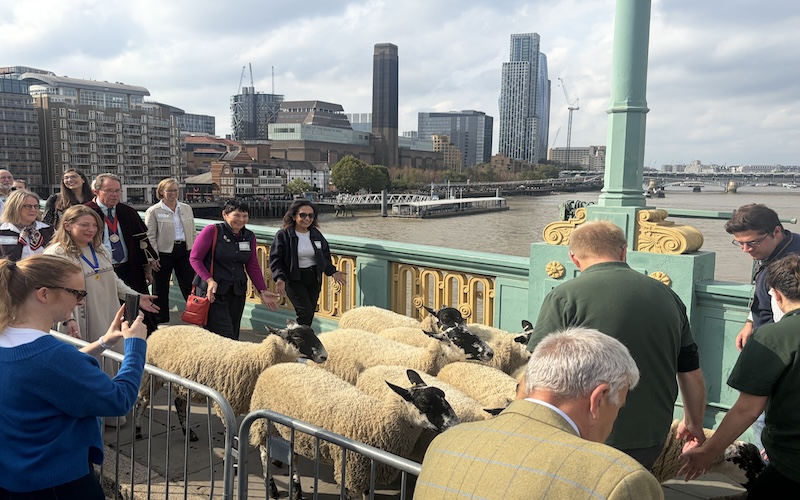
Sheep were driven across Southwark Bridge on Sunday as one of London’s most unusual historic traditions returned for 2026.
Broadcaster Gloria Hunniford led this year’s Sheep Drive just months after receiving the Freedom of the City, joining around 1,500 Freemen and guests exercising the ancient privilege of bringing livestock into the City without paying a bridge toll.
Fellow broadcaster Angela Rippon was also among those taking part in the drive.
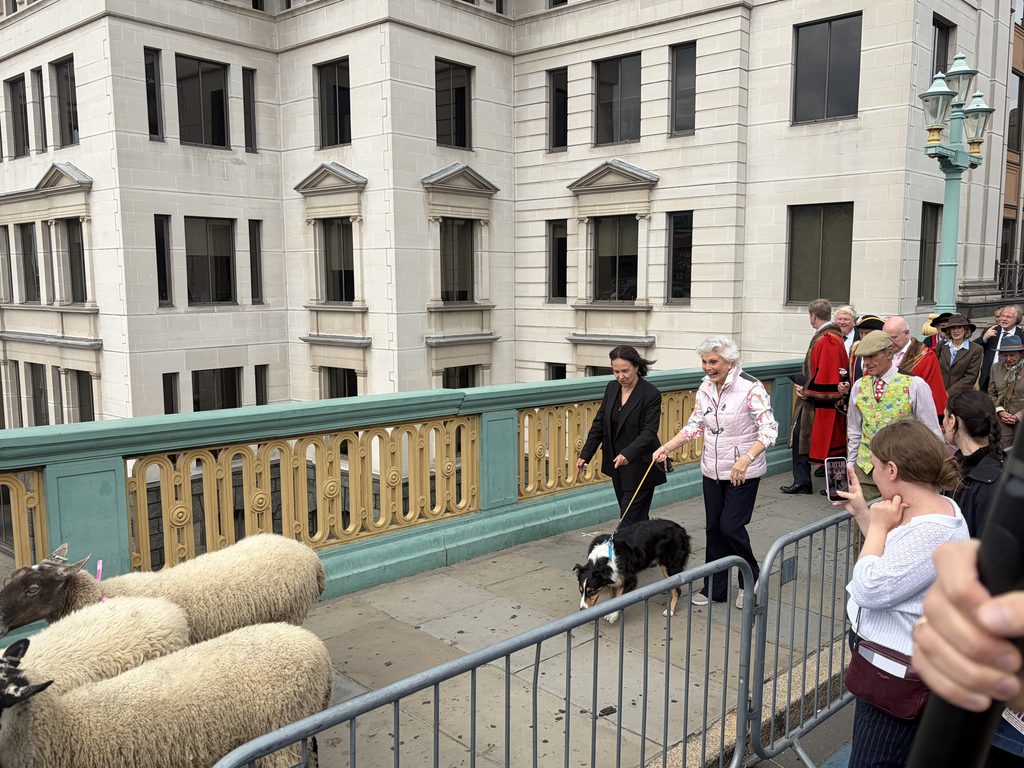
The Freedom of the City of London is an ancient civic status linked to historic privileges given to those living and trading in the City.
An event volunteer said the privilege, dating back to medieval times, had never officially disappeared.
“This is one of the ones which you can actually still exercise,” he said.
“The point nowadays is we’re raising money for charity.”
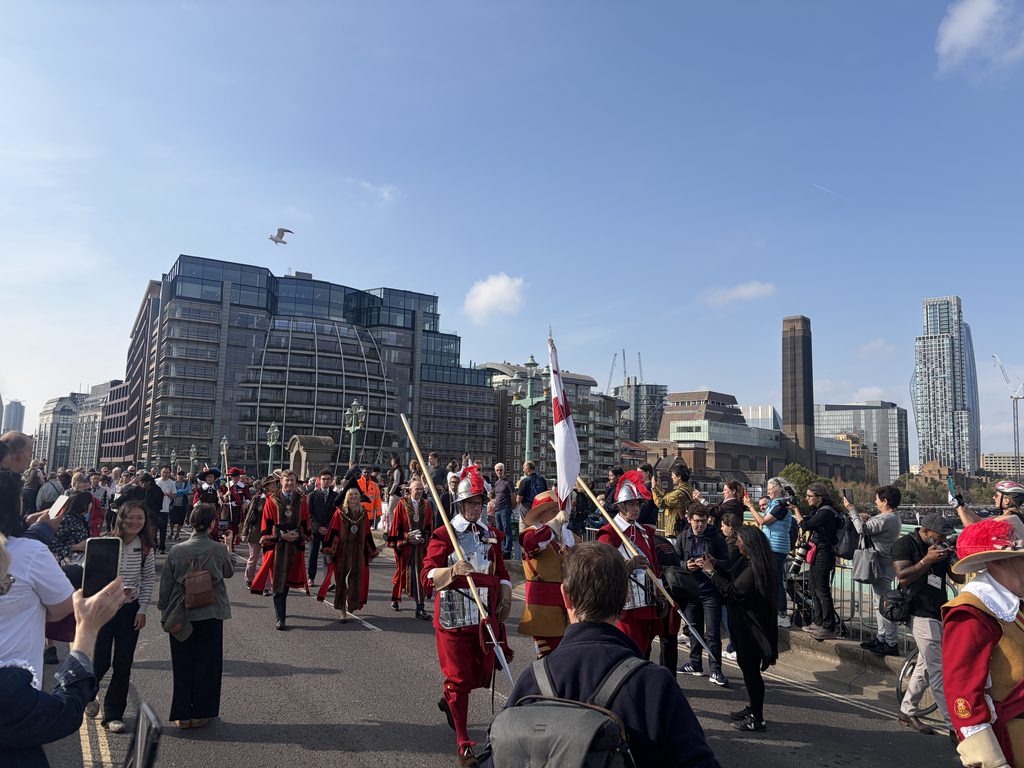
Today, people can become Freemen through several routes, including membership of the City’s livery companies – historic trade guilds which now carry out charitable work alongside supporting their trades and professions.
The modern Sheep Drive was revived in 2013, with participants paying around £75 to take part.
The event used 50 North of England Mule sheep from a flock of around 600 in Bedford.
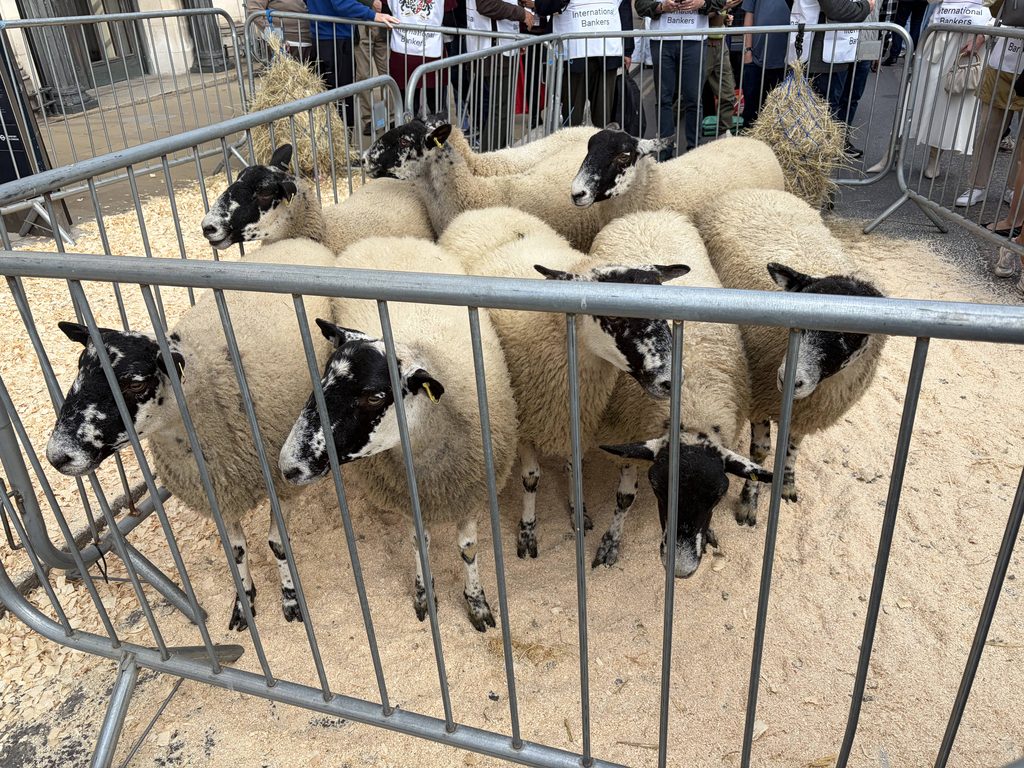
The animals often appear at agricultural shows and public events, meaning that they are accustomed to crowds and noise.
While livestock was historically driven across London Bridge on the way to market, the revived event was held on Southwark Bridge, with groups of participants taking turns to drive the sheep across throughout the day.
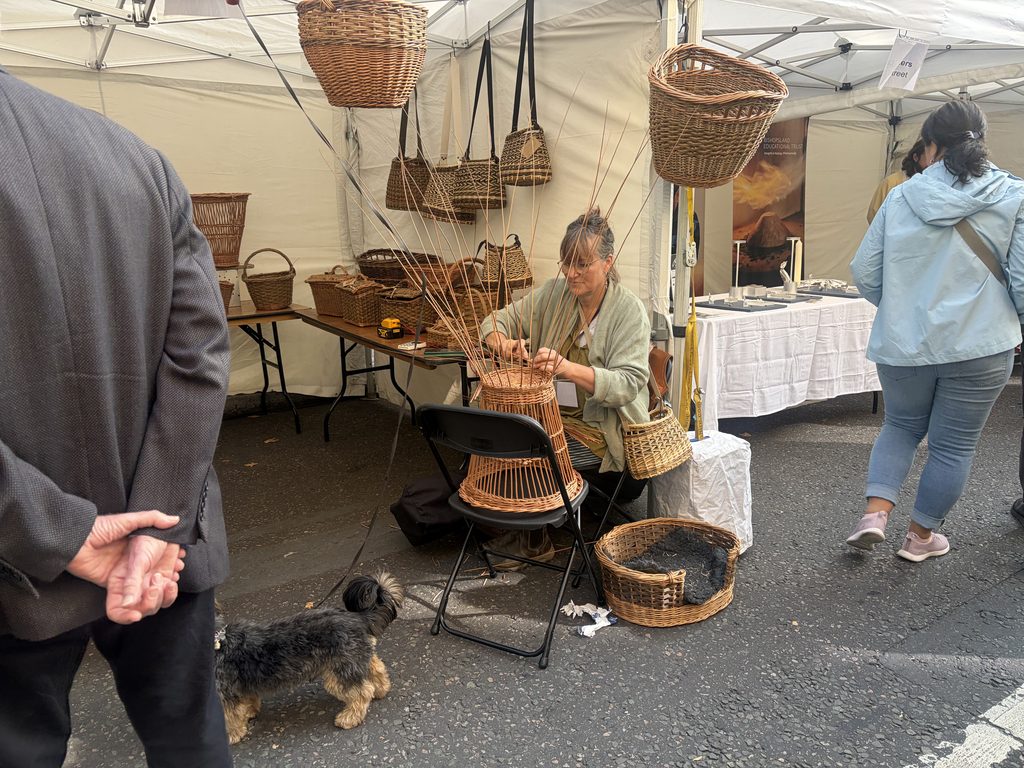
The event was accompanied by a Livery Fair showcasing numerous traditional crafts, including wool spinning, basket weaving and wheelmaking.
Wool spinner Jenny Judova, who was demonstrating at the fair, said: “If you cannot leave London to go to the countryside, the countryside kind of comes to you.”
Judova, who volunteers at Spitalfields City Farm, learnt to spin three years ago and now works with wool from a variety of British sheep breeds, each with different qualities and textures.
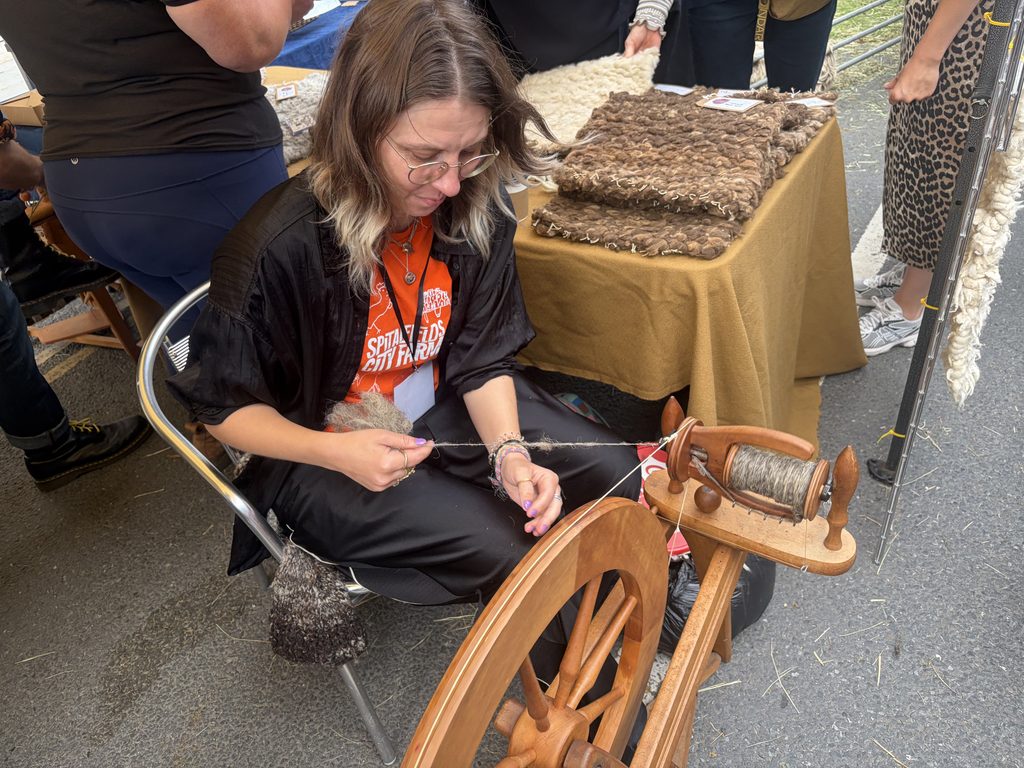
Her hobby is not confined to the farm, or the fair.
“I do spin on the Tube. Londoners don’t care about anything,” she said.
Elsewhere at the fair, wheelwright Tom Carroll demonstrated a traditional English-pattern wooden wheel and explained how ash, oak and elm are used to construct different parts of the wheel.
Visitors were able to try their hand at constructing the wheel, an endeavour which required both a great deal of precision and brute force.
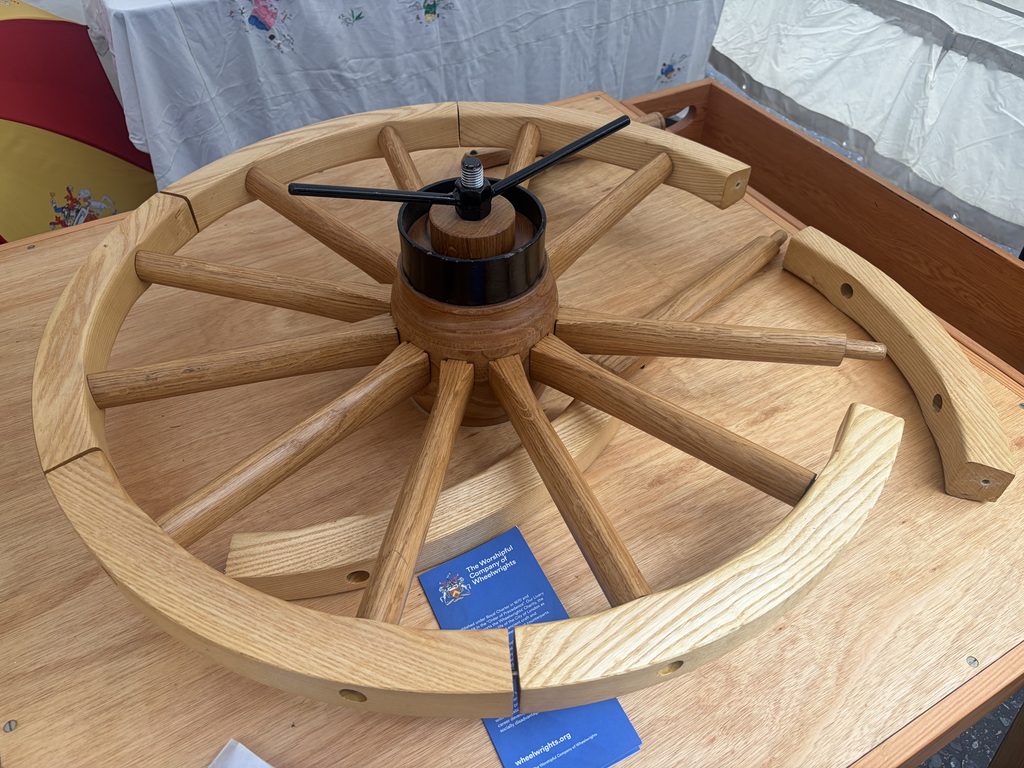
Carroll said the craft had changed remarkably little over time.
“You can only progress a wooden wheel so far,” he said.
Despite the age of the craft, he added that it still has modern customers.
He said: “There’s a demand for your horse-drawn vehicles, your veteran motor cars, and everything in between, really.”
Restoration work now makes up much of what he does, such as replacing damaged spokes of traditional wooden wheels.
For one day, sheep, wooden wheels and hand-spun wool returned to the decidedly more modern City, showing that London’s oldest traditions are still being practised and cherished, and are not lost to time.
Featured image credit: Justin Bond
Join the discussion