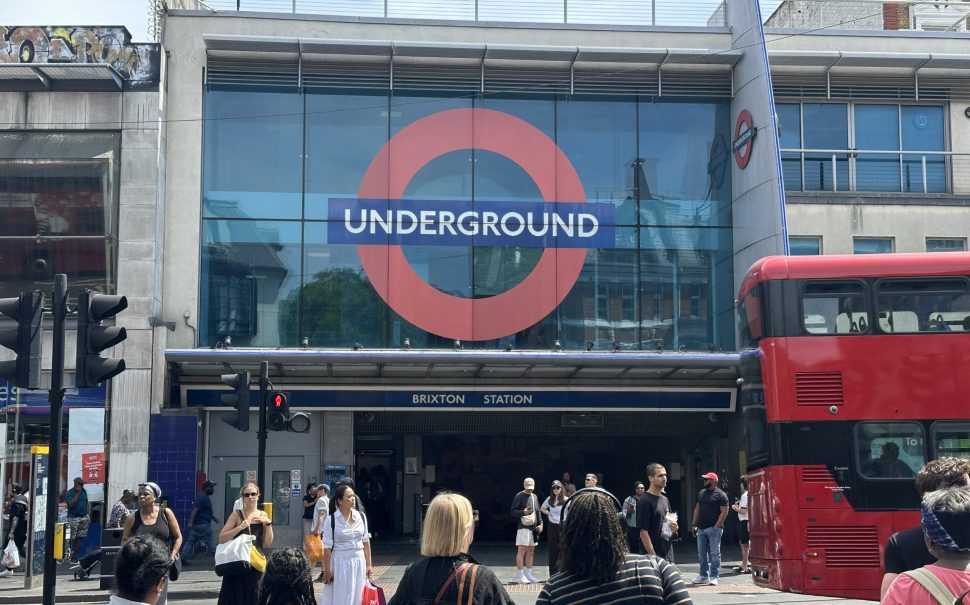
The city’s most cultural Tube stations have been named, with Brixton ranking in the top 10 due to being home to 35 blue plaques.
A new study from Barratt London revealed South Kensington to be number one with 72 blue plaques and Brixton coming in joint 10th place with Covent Garden.
Abdurahman sells natural oil perfumes just outside the station.
“Brixton is a very important part of London because it is very diverse, it has a great history, and it brings people together,” said Abdurahman, who is of Caribbean decent.
“Although gentrification has occurred, it still has a strong West Indian and Black community.
“And tourists from all over the world come to see our culture.
“I believe if you come to visit London from wherever, not visiting Brixton is a big mistake.”
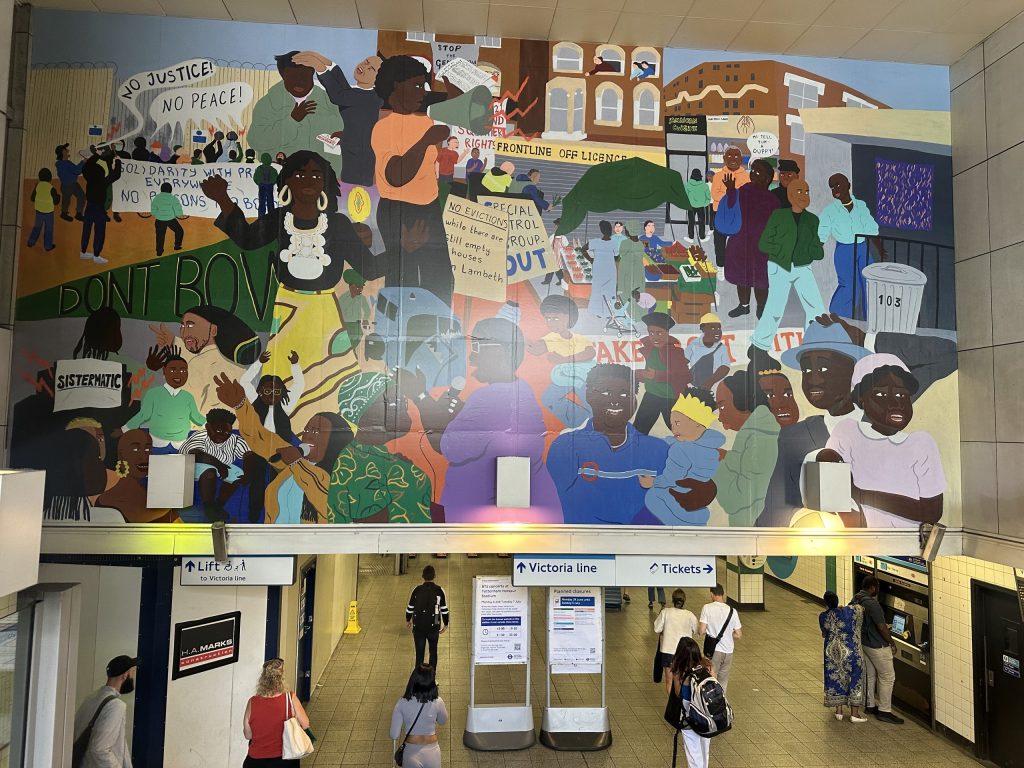
The iconic blue plaques tell the story of the city’s cultural heritage by celebrating prominent figures of the past and the building which they lived in.
Journalist Molly Salliss said: “The findings reflect Brixton’s links to influential figures including activist Olive Morris, commemorated at 121 Railton Road.
“And pioneering photographer John Thomson, whose plaque is at 15 Effa Road.”
Morris fought for equality, especially for black women and spoke out against all types of oppression during the 1970s.
Thomson was a ground-breaking photographer who is best known for documenting the everyday lives of working-class people in London.
Research shows that 47% of Brits would find an area more appealing to live in if it had a strong cultural identity.
Despite this, 28% of Brits admitted that they are not aware of the history surrounding where they live.
Featured image credit: Catherine Kamara

Join the discussion