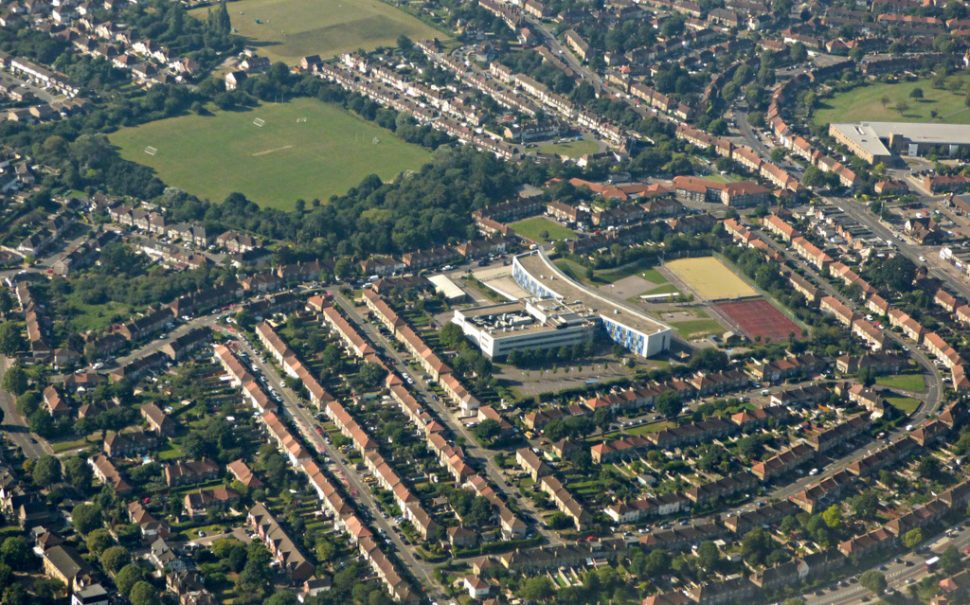
Bromley tops the chart for the share of households in temporary accommodation being sent out of London, according to government figures.
The latest December 2025 data reveals Bromley housed 30% of its households in temporary accommodation in regions outside of London, with 28% going to the South East.
Households in temporary accommodation across London have risen by 29% from December 2019 to 2025: Bromley’s own numbers have grown more slowly over that period – up just 8% – yet it is the borough that sends the highest proportion of its residents out of their home area of any in London.
The impact
Being in temporary accommodation away from support systems can cause families instability, precariousness and isolation.
Bethany Jones* was housed in Gillingham, Kent, by Bromley Council, and said: “I was completely isolated. I’d never been to Gillingham in my life.
“I was away from all my support network, my mum, all my friends, all my work colleagues – it was horrendous.
“It really distressed my children as well, moving away from everything they knew since they were babies.”
Sarah Elliott, chief executive of Shelter, blames the chronic lack of social homes on councils struggling to keep up with demand for temporary accommodation.
She said: “Every day, our frontline services hear about children being forced to leave their schools and friends behind, and families uprooted from support networks and jobs, forced to start their lives over in unfamiliar places – all while not knowing if they’ll be moved again at the drop of a hat.”
Out-of-borough moves
While the number of households in temporary accommodation in Bromley are far lower than London boroughs such as Newham – which had the most, 7,412 compared to Bromley’s 1,691 in December 2025, and Southwark – it is striking that Bromley sends the highest proportion of residents out of their home borough (82%), with Merton in second place (76%).
In Bromley community groups, several parents describe being placed in Bedford — around 84 miles from the borough and more than 90 minutes away on public transport — despite school-age children remaining enrolled locally and having family support systems there.
One commenter described her son, who had mental health needs, being moved from Bromley to Feltham, which was too far away from her to drive daily to support him with his medication.
Many described being temporarily housed in Chatham and Gravesend, with other families placed in Ilford and Uxbridge, often for 3-5 years – and sometimes longer.
One commenter responded that they had been in temporary accommodation out-of-borough for over 8 years, saying ‘don’t think they can call it temporary anymore’.
When asked why so many households are moved out of the borough, a spokesperson for Bromley Council said: “Where temporary accommodation is required, then suitable accommodation is sought within or as close to the borough as possible, with priority for in borough given to particular households such as those parents with children in pivotal school years and those receiving specialist medical treatment locally that cannot be transferred.
“While the majority of placements are within 90 minutes travelling distance of the borough, we are continuing to boost affordable housing supply locally by building more affordable homes across the borough and increasing our own supply of local temporary accommodation.”
Bromley’s stated approach reflects a 2015 Supreme Court ruling (Nzolameso v Westminster City Council), which found councils must generally place homeless households as close as possible to their previous home when a local placement isn’t practicable.
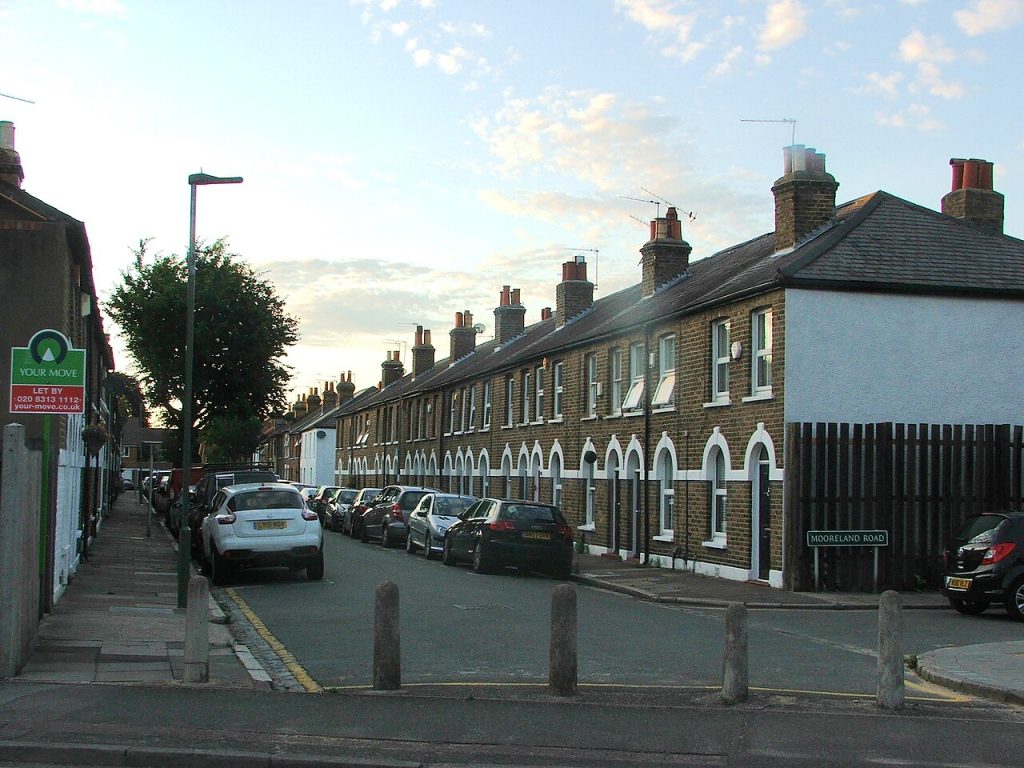
Bethany’s story
Bethany* and her two children were evicted by bailiffs in 2024 through a Section 21 notice, due to the landlord selling the property.
Rather than preventing the eviction, Bethany recalled Bromley Council allowed the family to become homeless: “Are they actually going to force the children to stand on the street with their belongings?” she thought at the time.
“Which they did,” she added.
After a period of her eldest child sleeping at a friend’s house and Bethany and her youngest child sleeping on her mum’s sofa, Bethany was offered emergency accommodation as far away as Coventry and Milton Keynes, which she refused due to the distance from home.
Bethany was then offered temporary accommodation in Gillingham, Kent – around 30 miles away – despite having a 15 year-old child sitting GCSEs, who also had an Education, Health and Care Plan (EHCP), and an 11 year old.
She says she was told by Bromley Council to accept the offer by 5pm or else she would be classed as ‘intentionally homeless’ and the council would close her file.
“I was at work – it was embarrassing trying to take all these calls. And when the agent rang and I said I was based in Bromley, she asked me ‘well why are you coming to Gillingham?’
“I told her that was an issue she needed to take up with Bromley Council.”
When Bethany informed Medway Council that she was being moved into their area, she says she was told that ‘our own system with ECHPs is stretched, we can’t cater for anyone else’s’.
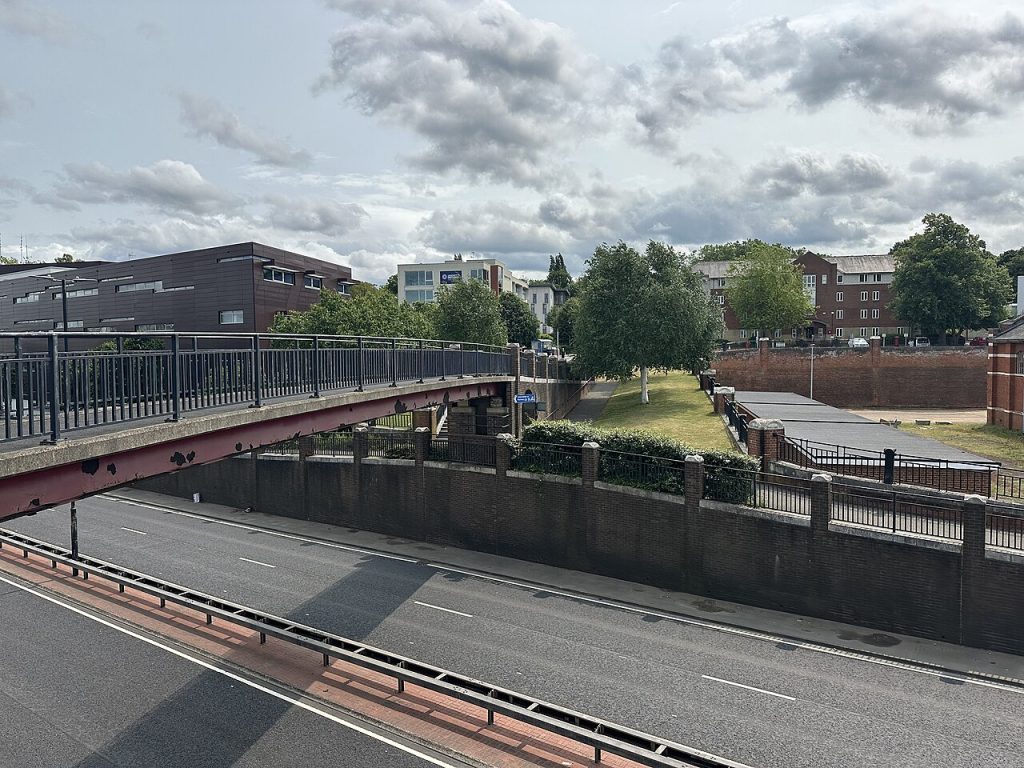
Since Covid, Bethany’s work office in Bromley was only partially open, so she was forced to travel from Gillingham to Orpington to drop her children off at school, back to Gillingham to work from home, and back to Orpington to collect them again.
“It was costing me a fortune to go back and forth, it disrupted the kids’ educational routine, and it was making me late for work,” she said.
Bethany was assessed to see if she could afford privately rented accommodation – which she could not – and says she was told by Bromley Council to give up her 24-year long career so that Universal Credit would pay the rent.
“To tell someone to give up work to take benefits is not the right ethos,” she said.
Bethany was then moved into a Bromley housing association tenancy, but now her eldest has turned 18, she no longer qualifies for a Universal Credit top-up or child benefit, making her current home unaffordable.
She worries about accruing rent arrears and says the council have not responded to her emails since early June.
Medway’s response
A Medway Council spokesperson said:
“When a child with an Education, Health and Care Plan moves into Medway, responsibility for the plan also transfers to Medway Council from the point we are formally notified of the move by the other local authority’s SEND service.
“Where maintaining an existing placement is not practical – for example because of travel distance – we will work with all relevant partners to identify an appropriate alternative education placement.”
Georgia’s story
Last week, Georgia* and her young son were evicted from their temporary accommodation in Abbey Wood where they had lived for 5.5 years, after refusing Bromley Council’s offer of permanent accommodation in Gillingham, Kent.
“I had nothing when I started, absolutely nothing, I absolutely loved that place and made it my home and that got taken away from me,” she said.
“At first I was given an hour to go and view the property, despite Abbey Wood being an hour and a half away from Gillingham.”
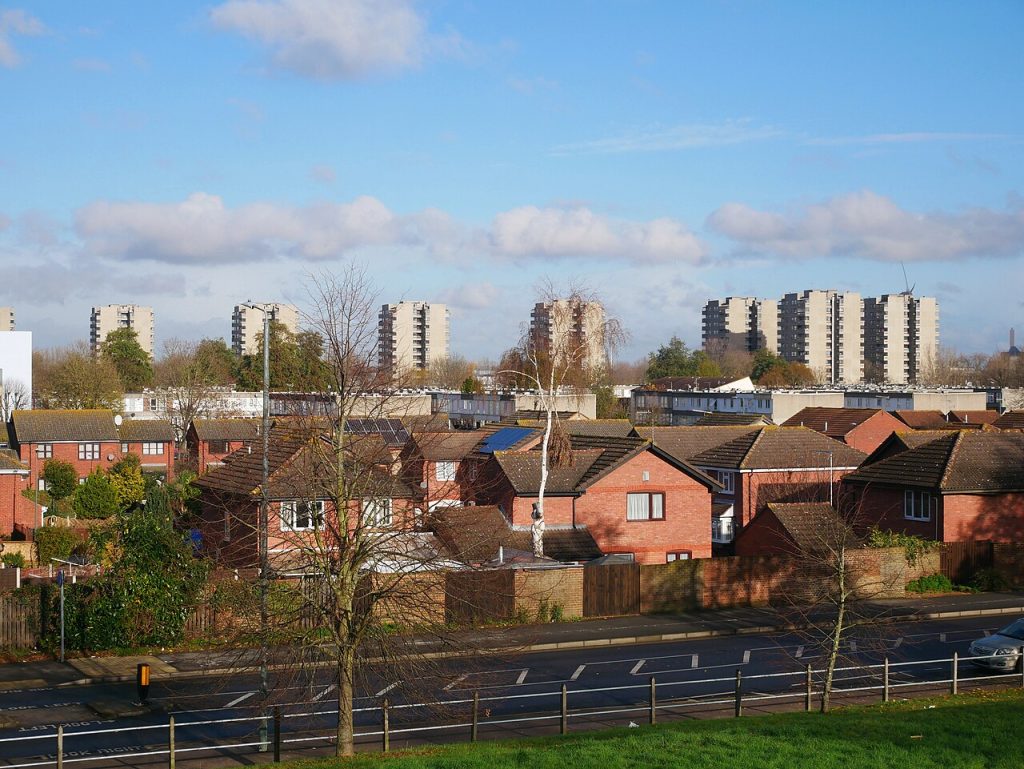
Georgia has congenital heart disease and is under life-long surveillance at a South East London hospital which her doctor says requires her to live close-by.
Her son is also being referred for speech, language, autism and ADHD support through his nursery – Georgia says that if they were moved to Gillingham, this lengthy process would have to start all over again.
Georgia supplied Bromley Council with letters from her doctor, her son’s nursery, her current temporary accommodation provider, and even got her MP involved in her case.
Despite this, she has been sleeping in her car for the past week, while her son is sofa surfing at her friends’ houses.
“He just keeps saying to me that he wants to go home, which breaks my heart,” she said.
“I try to tell him: ‘Mommy’s getting a new house, we’re going build a new house, it’s coming in really soon, don’t worry’.
“He flourishes when he has structure, stability, and routine and I can’t give him any of that at the minute.
“It’s having such a detrimental effect on his mental health.”
Bromley Council did not respond to a request for comment on the stories shared by Bethany or Georgia.
The reasons
According to the council’s housing strategy 2019-2029, Bromley has a lower proportion of socially rented housing than anywhere else in London – 14%, compared to an average of 23%. Private home ownership levels are also high, at 73%, compared to an average of 50% across London, and the rental sector is relatively small – 14% of all housing, compared to an average of 27% across London.
Bromley Council sold its entire social housing stock to Broomleigh housing association in 1992, and it is now owned by Clarion Group, the UK’s largest social housing provider.
The Thatcherite Right to Buy legislation has also had a ‘detrimental impact’ on councils’ housing stock, according to Housing Minister Matthew Pennycook, and rather than housing homeless households in scant social housing supply, London boroughs increasingly use privately managed, nightly-paid accommodation, which is costly with rates increasing year on year.
The Guardian last year reported that Bromley Council, along with Waltham Forest, together spent almost £80m buying more than 500 homes in areas including Harlow and Thurrock in Essex and Maidstone in Kent since 2017, via companies they jointly own with the housing and social care company Mears Group, in order to provide temporary or permanent accommodation and move their homeless households out of the city.
Bromley told The Guardian that as it receives lower funding as an outer London borough, many local homes were unaffordable, forcing it to look farther afield.
Sarah Elliott, CEO of Shelter, said: “The government must support councils to build social homes at scale in the areas that need them most, to give families safe and secure homes. We need to build 90,000 social rent homes a year for ten years to end the housing emergency for good.”
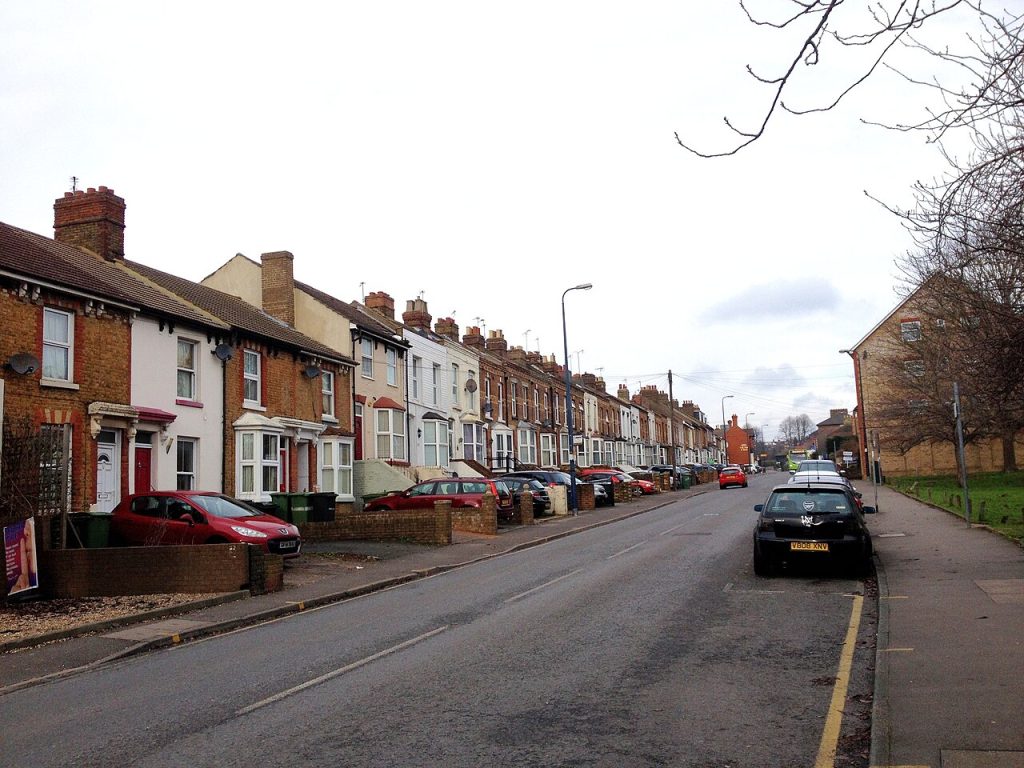
Comparing boroughs
Merton moves a similar percentage of households in temporary accommodation out of the borough, but by contrast to Bromley’s 30%, only moves 4.7% of these out of London.
Merton does have a slightly lower ratio of households in temporary accommodation per 1000 households, however (8.95 compared to Bromley’s 12.27, while the London average is 21.15, according to the latest December 2025 data).
A Merton Council spokesperson said: “There remains a national housing crisis. And Merton, like many other boroughs, has seen a significant rise in demand for temporary accommodation which far outstrips supply.
“Currently, 86% of households that we support outside of Merton are housed in one of our neighbouring boroughs: Croydon, Wandsworth, Kingston, Sutton, and Lambeth.”
Merton also highlighted ‘buying dozens of new temporary properties in Merton’ and Clarion Housing regenerating an existing housing estate.
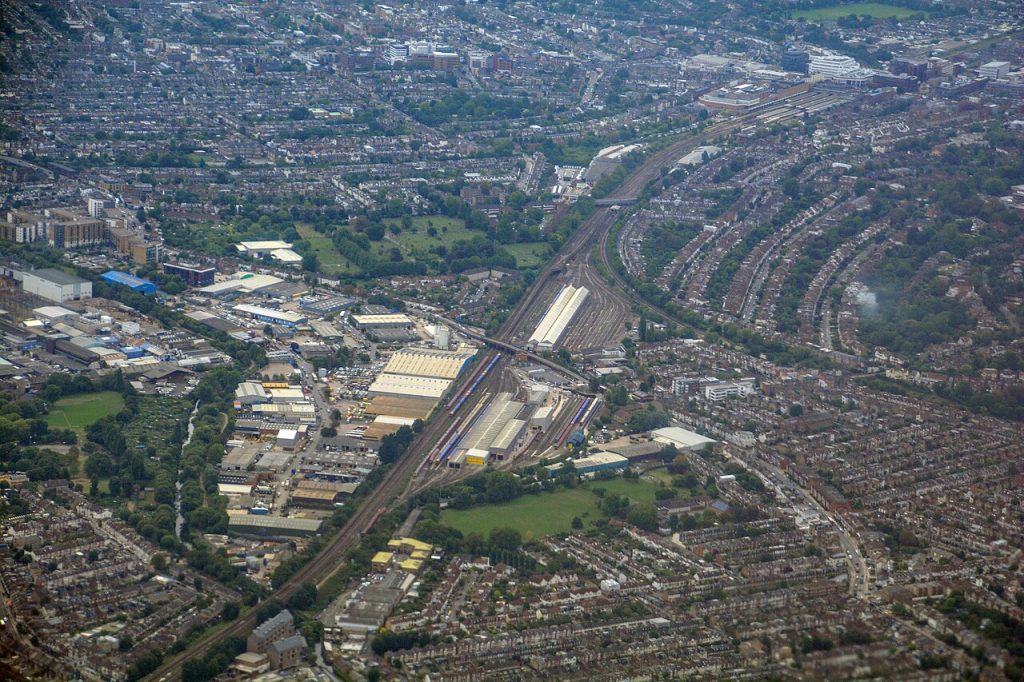
Greenwich – which has a below average ratio of households in temporary accommodation, at 15.78 – is the south east London borough with the second highest rate of households housed in temporary accommodation out of London.
While it houses over 60% of its households in temporary accommodation within the borough, 21% are housed out of London (405 households) and almost all (97%) within the South East.
The chain of out-of-borough placements
FOI requests by a Kent-based blog reveal that Dartford, Kent, received 235 out-of-area temporary accommodation placements in 2024/25, 69 of them from Bromley (and 124 from Greenwich) but also exported 518 households, including 265 families with children, to other local authorities in turn.
Medway Council said they received legal notifications [Section 208, Housing Act 1996] for 486 households coming from other areas in 2025/26.
A spokesperson said: “Temporary accommodation placements from other areas and councils have a significant impact in Medway.
“While principle responsibility for families lies with the placing authority, this can still put extra pressures on Medway support services, and have an impact on the residents being placed here.
“Out of area placements also reduce the number of homes for local residents to access, drives up housing costs and places additional strain on local services including schools and healthcare providers.”
Bromley Council did not respond to a question about which boroughs it receives temporary accommodation referrals from, but an Inside Housing investigation found that the borough received 183 placements from other councils between January and June 2025.
I spoke to Daniel Brown*, who was housed in St Mary Cray, on the outskirts of Bromley, after registering as homeless in Tower Hamlets.
“I’m very thankful for the place, but finding work down here is a nightmare,” he said.
“It would have cost me £200 to travel to give quotes for painting and decorating jobs in central London – I used to give out two quotes a day.
“I just don’t see a way of getting back up on my feet: if it wasn’t January and freezing cold I might have been better off to stay in London, but now I’ve spent three months shipping all my worldly possessions to Kent.
“Everyone knows each other and they certainly know you’re not from around here.”
*Names have been changed.
Featured image credit: Bromley from the air by Thomas Nugent, CC BY-SA 2.0 via Wikimedia Commons


Join the discussion