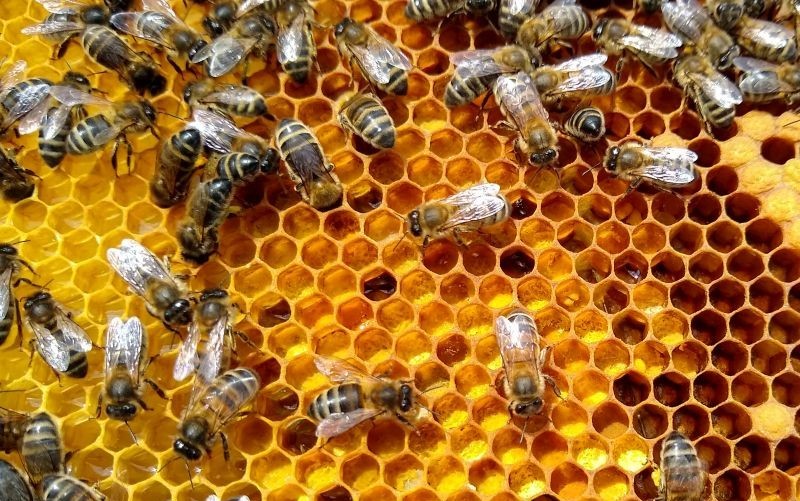
Britain’s main organisation representing beekeepers has called on the government to adopt new European Union honey labelling rules in a bid to stamp out fraud.
The British Beekeepers Association wants ministers to align domestic regulations with the EU’s Honey Directive, which mandates clearer labelling of the country of origin for honey.
The directive is intended to help combat honey fraud and will come into force across the EU in June 2026.
British Beekeepers Association social media manager Ian Campbell said: “The EU is doing this to give consumers more information about where their honey comes from.
“At the moment, a jar of honey in a supermarket might just say ‘a blend of EU and non-EU sources’, which really tells you nothing other than that it comes from planet Earth.”
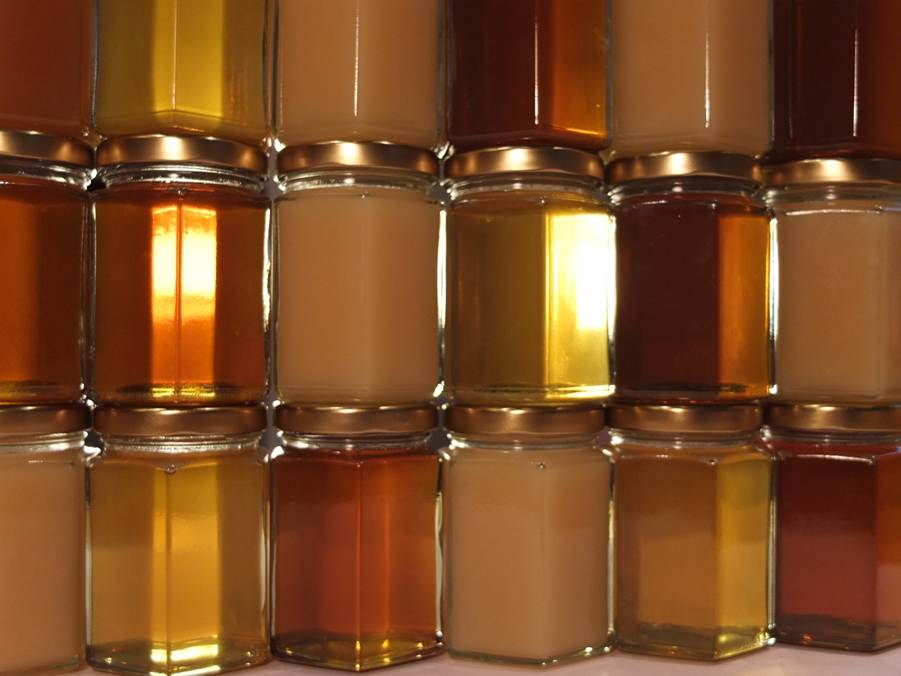
Honey fraud typically refers to mass-produced honey being diluted or adulterated using cheaper sugar alternatives, creating something closer to golden syrup, but sold to supermarket customers as authentic produce.
Sarah Wyndham Lewis, a honey sommelier and co-founder of Bermondsey Street Bees, estimated a jar of quality British honey could cost £10, whereas supermarkets are selling honey for as little as £1.
She said: “Honey fraud is the dirty little secret they don’t want us to know about.
“If honey is being sold at budget prices, there’s a strong chance it contains a significant amount of other sugars.”
However, tackling fraud may prove more complex than updating labelling rules alone.
Campbell claimed a huge diversity of bee colonies and forage sources makes standardised testing for authenticity difficult.
He explained: “The problem now is that there are some very sophisticated methods in the honey adulteration landscape.
“Essentially, the fraudsters are outsmarting the bureaucrats.”
The British Beekeepers Association estimates there are 250,000 colonies and 270 species of bee across the UK.
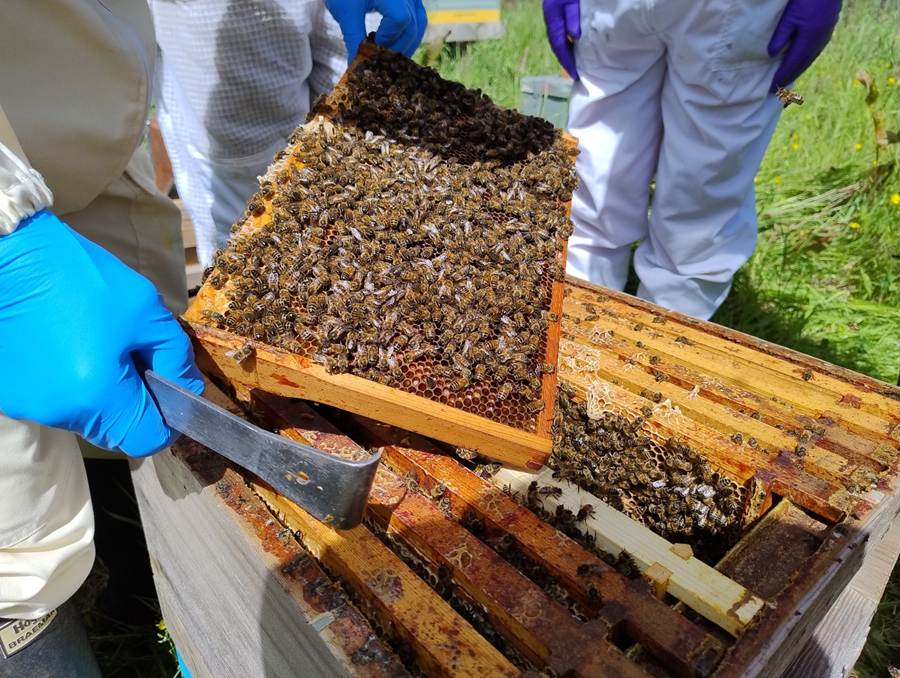
In London, the rapid growth of urban beekeeping has raised concerns.
The London Beekeepers’ Association warned a surge in hive numbers over the past decade could be putting pressure on pollinator ecosystems.
In the City of London, an overcorrection following low hive numbers means honey bees accounted for 57% of all pollinators 2023.
Despite this concentration, honey produced in London remains difficult to find.
Londoners seeking single-source honey are often forced to rely on farmers’ markets or specialist health food stores.
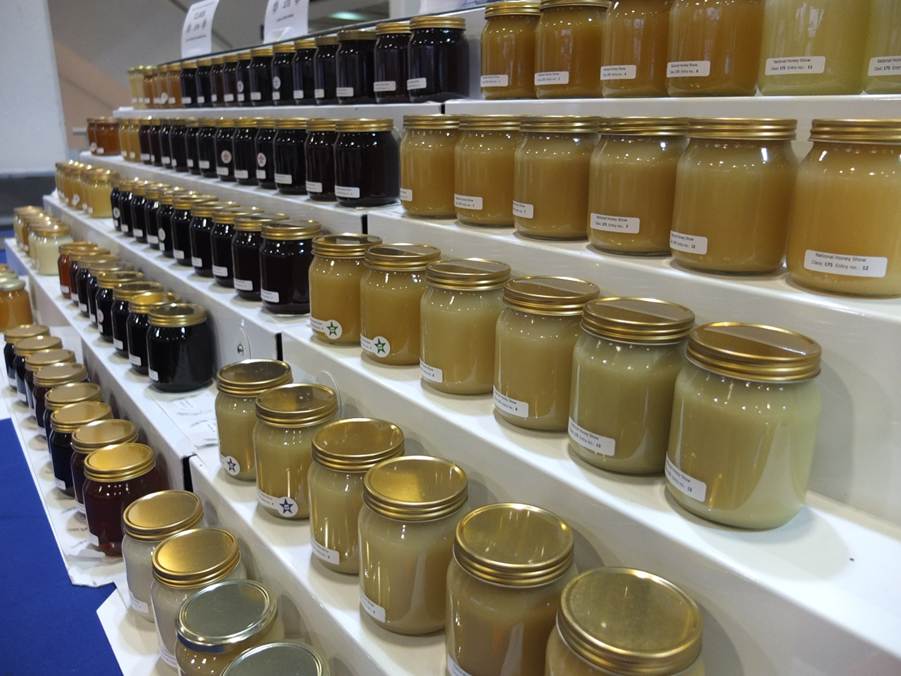
Campbell said: “There’s a cost of living crisis and small-scale beekeepers simply cannot afford to sell honey at the price points seen in supermarket.
“But there’s still a very strong argument that the public shouldn’t be defrauded.
“If they want to buy something that’s honey-flavoured, fine. But don’t tell them it’s honey when it’s not.
“There’s a market of people making a lot of money out of honey fraud, and while the government turns a blind eye, they will continue to do so.”
The government has launched plans to develop a framework for the interrogation of honey authenticity, but is yet to outline a timeline for the project.
A Department for Environment, Food & Rural Affairs spokesperson said: “We take any type of food fraud very seriously.
“We work closely with enforcement authorities to ensure all food sold in the UK is free from adulteration, meets our high standards, and maintains a level playing field between producers.”
Feature image: The British Beekeepers Association

Join the discussion