Experts have warned that Labour’s anti-immigration policies are ‘failing’ honour-based abuse victims in the UK by heightening fears of deportation in the reporting and prosecution stages.
Conviction rates for “so called honour based abuse” (HBA) are at the lowest level of all flagged crimes for the 2024/25 period, with only half of prosecutions (47 out of 94) leading to convictions, data from the Crown Prosecution Service (CPS) shows.
Of the 47 cases that did not result in convictions, more than half collapsed due to victim or witness-related issues, with forthcoming migration policies likely to see a greater drop in convictions.
‘Honour’ based abuse can be understood as a collection of practices which a victim’s family or social group may use to control their behaviour in a way that preserves traditional patriarchal codes of ‘honour’, making victims feel shame if they breach such codes and leading to physical attacks, psychological pressure or murder by perpetrators.
Young women from South Asian and Middle Eastern backgrounds are disproportionately affected by this crime and those with insecure immigration status have been made to feel particularly vulnerable by clampdowns on migration.
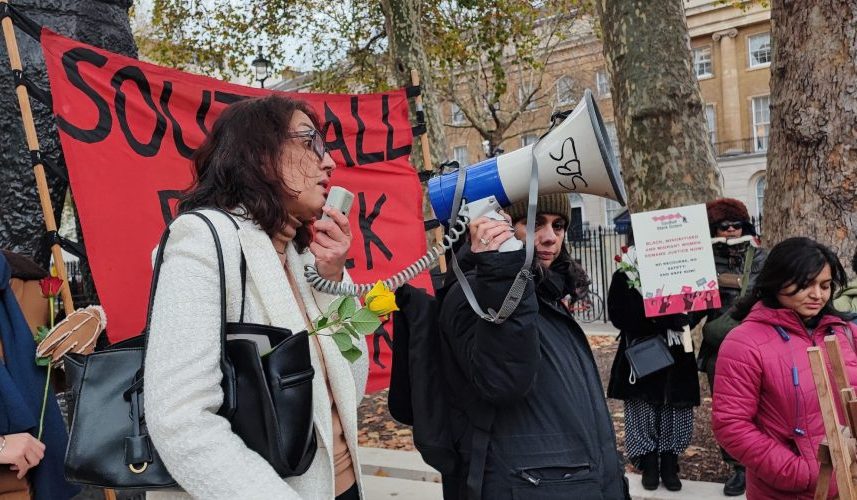
Hannana Siddiqui is the head of policy, campaigns and research at Southall Black Sisters, a charity supporting black and minoritised HBA victims.
Siddiqui said: “Even if they’re legal in this country, they still have this feeling that if you go to the police, they will tell the Home Office and they’ll be deported or detained and so forth.
“And I think it’s going to get worse now because the far-right have moved into this debate by advocating to remove indefinite leave to remain, and Labour is following suit because they’re worried about losing voters.”
Tightening immigration laws that make it more difficult for migrant women to remain in the UK independently are also being exploited by perpetrators.
According to women’s charity Imkaan, 90% of immigrant victims with insecure residence status have reported their abusers using the threat of deportation to stop them from going to the police.
Controlling or coercive behaviour such as this is the most common form of HBA in the UK, encapsulating 22% of all recorded offences and highlighting the ‘hidden’ nature of the crime which does not always leave physical scars.
Rising sympathy for conservative settlement policies is not the only conundrum victims currently grapple with when deciding whether to report their experience either.
Victims must also consider the financial viability of leaving their abusive relationship, as those present in the UK on a spousal or familial visa currently have No Recourse to Public Funds (NRPF) under the Immigration and Asylum Act 1999.
This means many migrant women, some trapped with offenders who tightly control their finances, are blocked from accessing benefits required to survive on their own.
Dr Roxanne Khan, who has advised Parliament on its response to HBA, said: “Immigration insecurity, particularly No Recourse to Public Funds (NRPF), is a profound vulnerability.
“Perpetrators exploit insecure status to maintain control, and NRPF limits victims’ access to safe accommodation and support. Immigration rules can be as controlling as the abusers themselves.”
Aneeta Pram MBE, founder of the Freedom charity, which helps victims of forced marriage and female genital mutilation, said many women had already been withdrawing cases and avoiding reporting ‘honour’ based abuse even before the most recent tightening of migration policies.
“Dishonour abuse* cases do not collapse because nothing happened. They collapse because the danger to the victim is still happening every single day, and the system is still asking one terrified person to carry almost the whole weight of the prosecution,” said Pram.
“Reporting is not a single brave moment. It is a long, frightening process where the risks can feel greater with every hearing.”
To address the increased risk migrant women face when seeking aid, the Women and Equalities Committee submitted a report to Parliament in 2023 calling for a firewall that would prevent police data from being shared with immigration enforcement.
The proposal was rejected at the time, but since then, Labour has come to power with the manifesto pledge of halving violence against women and girls within a decade, promising a crackdown on honour-based abuse.
This should benefit the women of London particularly, as the city recorded the largest number of HBA offences out of all UK regions this year, at 539 cases.
Whitehall’s plan to tackle HBA and empower survivors to come forward with their stories will see new statutory guidance and a legal definition of the crime introduced.
Aiming to help first responders better identify the markers of HBA and prompt them to collect stronger evidence for a prosecution, the guidance should also provide judges with greater authority to convict perpetrators.
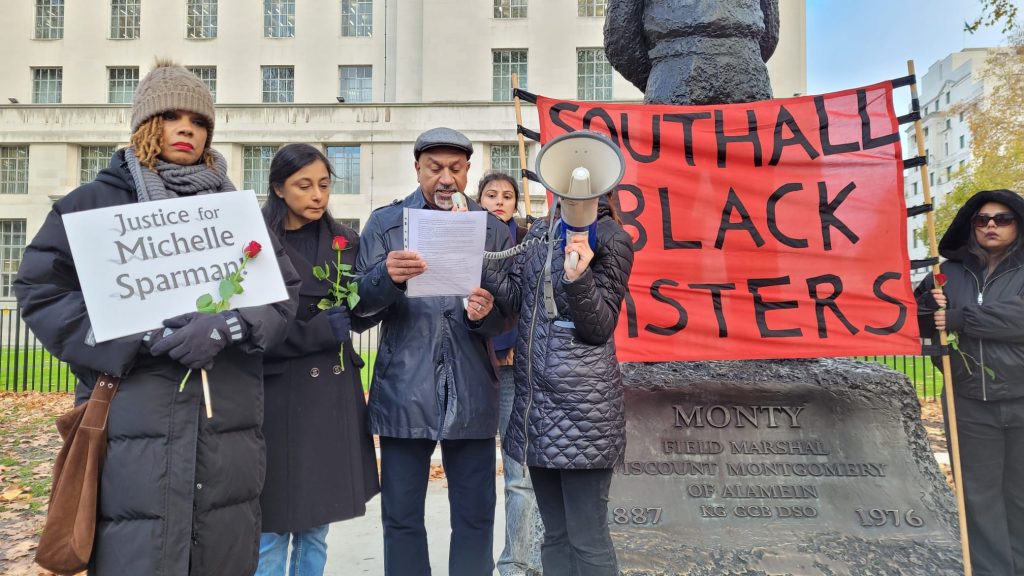
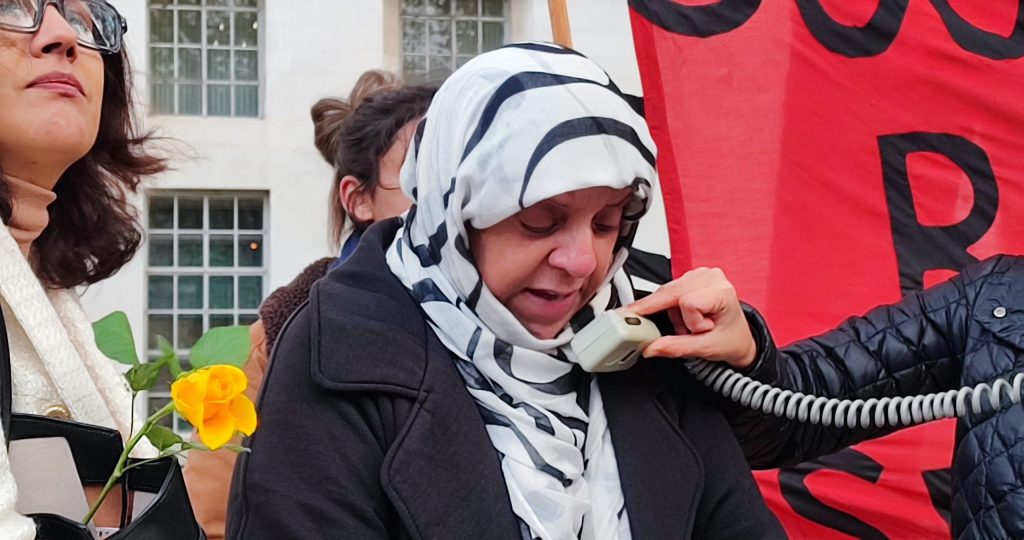
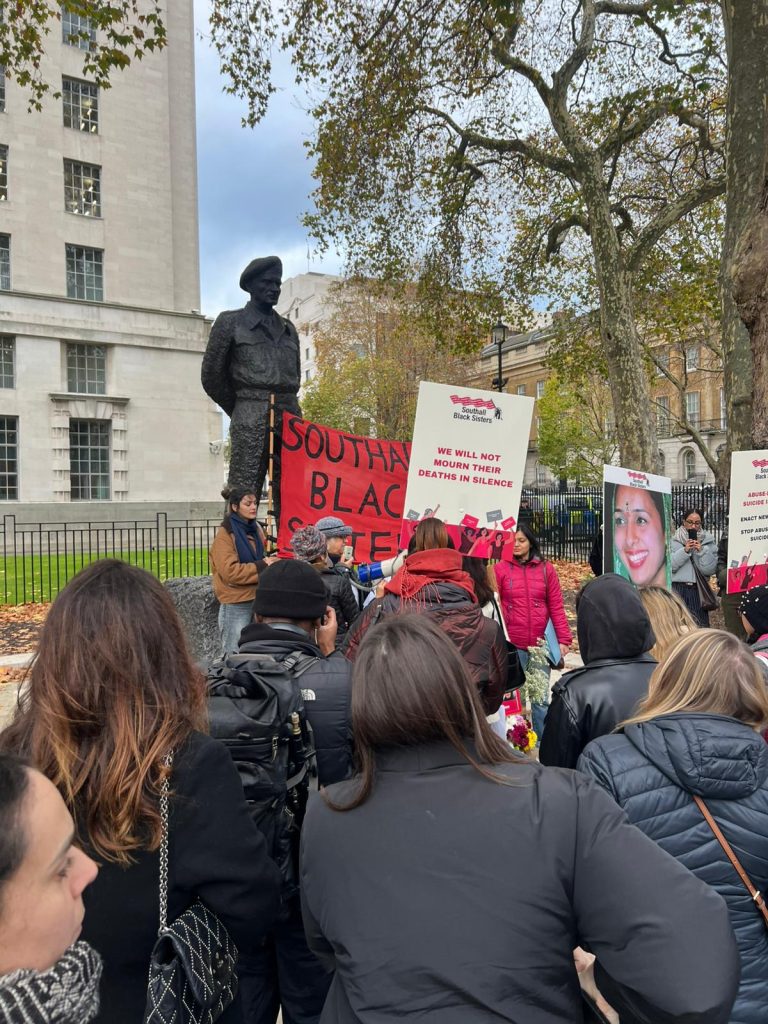
A coalition of charities, including Southall Black Sisters, who held a protest vigil outside Downing Street last Thursday, have repeatedly demanded the implementation of ‘Banaz’s Law’, which would see ‘honour’ based abuse regarded as an aggravated factor in sentencing.
This demand is another yet to be approved, but for migrant and minority women, meaningful reform must also extend beyond the courts to the way police interact with victims.
Ayesha** is one of many survivors who feels failed by officers.
She recounted the day her partner threatened to kill her for speaking to another man without him being present.
She said: “There was a visceral fear that if I stayed, I was going to be dead.
“But the police at the time didn’t really know about honour-based violence. They sort of saw it as a domestic issue between two people and decided that it was just youthful exuberance.
“They didn’t really do anything about it, they let him go. And within about two days, he was back at my door harassing me.”
Dismissive policing practices, like those faced by Ayesha, have been highlighted by criminologist Professor Aisha K. Gill as ‘culturalised conceptualisations of violence’ that often cause officers to regard such violence as cultural practices not to be interfered with.
The Head of the Centre for Gender and Violence Research at the University of Bristol discussed how this treatment eroded victims’ confidence in the law and discouraged victims from reporting or pursuing their cases to prosecution.
Labour’s plan to educate officers on HBA may eventually strengthen police awareness, but its tougher migration laws risk undermining that progress in the meantime as victims do not trust their cases will be properly dealt with.
Professor Gill concluded by touching on how anti-migrant rhetoric was also harming survivors of HBA by alienating them from state-provided justice services.
Gill said: “The rise of the far right, including hostile immigration laws, have further entrenched exclusionary legal, institutional and social barriers that marginalise Black and racially minoritised women and shape their perceptions of and interactions with the law.
“The criminal justice system is not currently able to provide a reliable, trustworthy and respectful service to victim/survivors of violence in Black and minoritised communities; this is still a work-in-progress.”
A Home Office spokesperson said: “Migrant victims must be treated as victims, first and foremost. We recognise the specific challenges that migrant victims face, and are committed to supporting individuals to access support and encourage reporting to the police, without fear of repercussion on their immigration status.
“We are working tirelessly across government to deliver the Violence Against Women and Girls Strategy as soon as possible, which will set out commitments for all victims.”
Assistant Chief Constable Emma James, national policing lead for ‘Honour-Based’ Abuse for the NPCC said: “So-called ‘honour’-based abuse is a complex crime type which often happens within community or family networks, making it very difficult for victims to speak out and get help. In all cases, our priority is to safeguard vulnerable victims from this appalling form of abuse, and we will work to put protection orders in place as soon as possible, even where a conviction is not possible.
“Officers and staff, alongside partner organisations, must properly understand the complexities of different cultures to be able to identify and protect those at risk. Forces have been working with organisations, such as Karma Nirvana, to train officers and staff and improve cultural awareness and understanding of honour-based abuse.
“In partnership with the College of Policing, we have also developed new advice notes for officers investigating female genital mutilation to improve the investigation of cases and build consistency to the police approach across forces.
“However, there is still inconsistency in the recording of these crimes, which we know is a key barrier to being able to identify risk indicators and ensure appropriate safeguarding is put in place for victims. We are working at a national level to improve data recording as a priority.”
A Crown Prosecution Service spokesperson said: “Victims of ‘honour’-based abuse continue to face unthinkable crimes at the hands of those closest to them and their communities, normalising behaviours so victims don’t always know they are being abused.
“We want survivors to know that we are bringing more offenders of these abhorrent crimes to justice.
“While our conviction rates for these crimes are increasing, thanks to efforts across the criminal justice system, we know there is more to do to support victims in coming forward, allowing us to charge their abusers when cases are passed to us by the police.
“This month we will hold our first ever national scrutiny panel with police and other stakeholders including victim support groups so we can identify best practice and prosecute more of these awful crimes.”
The Met Police were approached for comment.
*There are various ways to address the crime of ‘honour’ abuse. Many organisations have adopted the label of dishonour abuse. The Freedom charity says: “By calling it ‘dishonour’ we put the shame where it belongs, on those who organise, condone or commit abuse, not on the women and girls who survive it.” We have used ‘honour’ abuse in this article as it is the language recognised by the Crown Prosecution Service.
**Name changed for safety reasons
Featured image credits: Southall Black Sisters.




Join the discussion