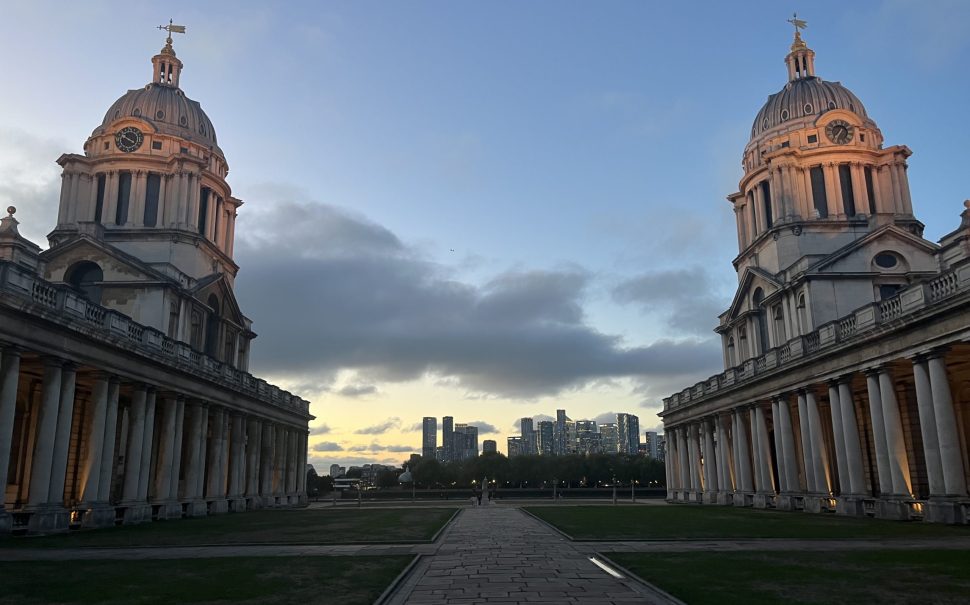
The first academic year of the UK’s first ‘super-university’ – formed of the universities of Greenwich and Kent – has officially begun.
Greenwich and Kent announced intentions to pursue a merger in September 2025, and formed the London and South East University Group (LASE) a year later.
It is the largest university merger in UK history, and LASE is now the UK’s third-largest university with just shy of 50,000 students.
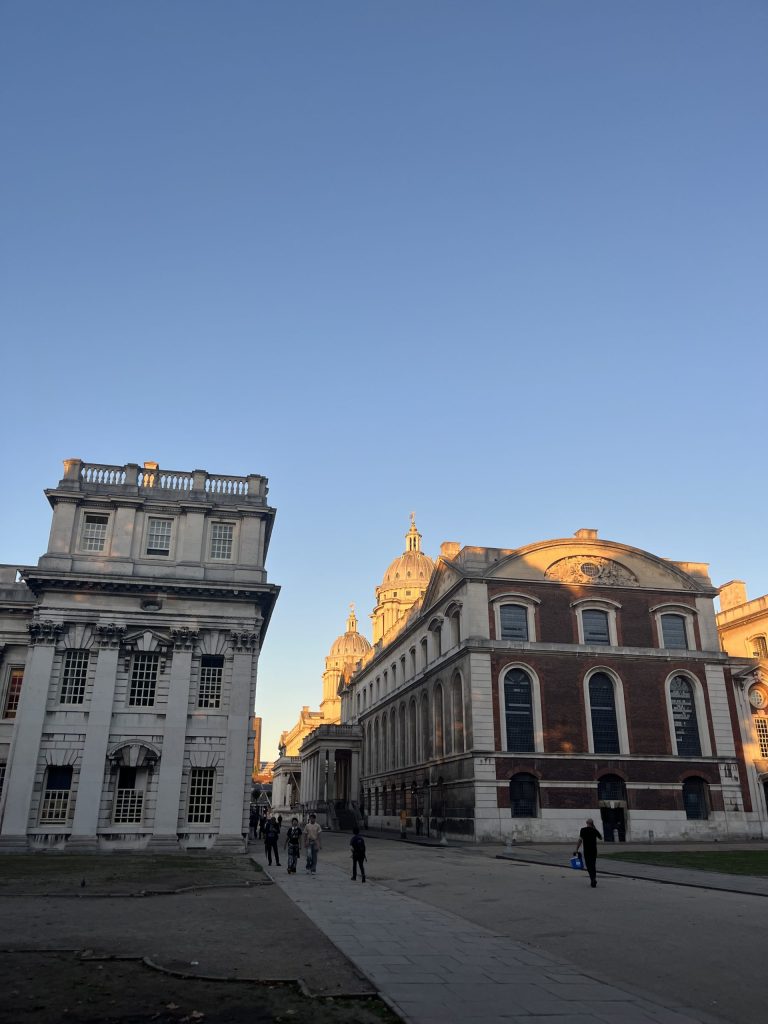
LASE’s campuses now include Greenwich, Avery Hill, Medway, Bathway, and Canterbury.
However, some students at Greenwich have expressed concerns about their academic futures.
A drama student said: “It’s a bit daunting for current students.”
She added that she felt drama was “overlooked” at times by the university, and worried the merger would worsen the issue.
Other students have been ambivalent about the merger, with several across all years of study noting they felt it did not really affect them and did not express any concerns.
The captain of Greenwich’s basketball team said the university’s communication on the merger had been great, that he was feeling positive about the merger and praised the funding given to sports teams at Greenwich.
A fresher studying supply chain management and economics said: “It’s supposed to give more opportunities so I think that’s a good thing.”
A student who will receive her degree in English literature and creative writing in October said: “If universities are able to help each other out, then I think it’s a great thing to do.”
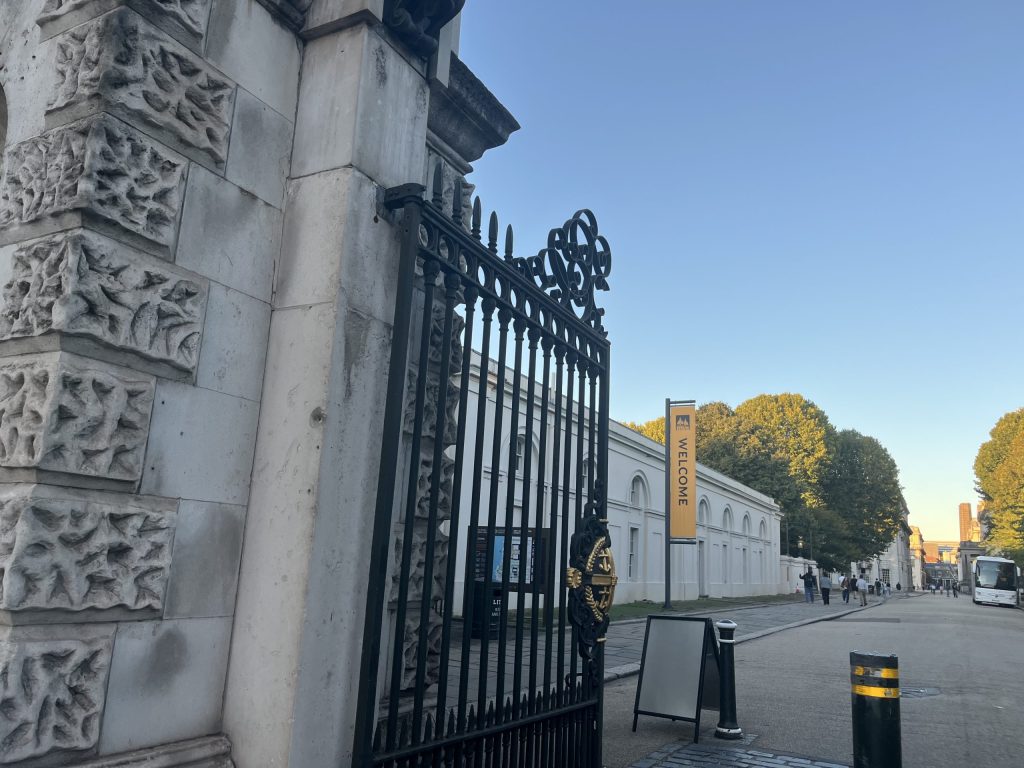
Students will still apply to, study at, and graduate from either Greenwich or Kent and both universities will retain their names, identities and local presence.
However, the universities now share a Vice-Chancellor, governing body, and senior executive team.
The two universities are not unfamiliar with collaboration – the Medway School of Pharmacy was established in 2004 as a joint project between Greenwich and Kent.
Nor is the merger unprecedented: it follows the merger of City University and St George’s, University of London in 2024.
It follows a period of increased financial difficulties for universities across the UK, which has caused many institutions to cut back on costs.
A survey by Universities UK (UUK) in March and April found that two in five of the universities surveyed were considering or actively pursuing mergers or multi academy trust style models.
It also found 79% of universities were pursuing voluntary redundancies and 79% implemented hiring freezes or pauses to recruitment over the last three years, and just under half of universities have reduced their course offering through consolidation, course closures, or both over the last three years.
In February 2024, Kent cut 58 jobs and nine courses due to financial challenges, and in January 2025 opened a voluntary redundancy scheme in the hope of saving £19.5 million.
The University and College Union (UCU) expressed concerns that the merger will result in further job losses.
Ruth Ballardie, co-chair of the University of Greenwich UCU, said: “You can’t tell me they’re going to merge and not have redundancies, it would not make logical sense.”
Chief Executives of the Office for Students Ruth Hannant and Polly Payne said: “It is undoubtedly the case that the higher education sector continues to face financial challenges. However, students should have confidence that universities are actively taking steps to put themselves on a strong financial footing long into the future.”
Vice-Chancellor and CEO of LASE, Professor Jane Harrington, said: “Our two mighty institutions have worked side by side for more than 20 years, and this new model enables us to build on this.”
Featured image credit: Lucy Pollock

Join the discussion