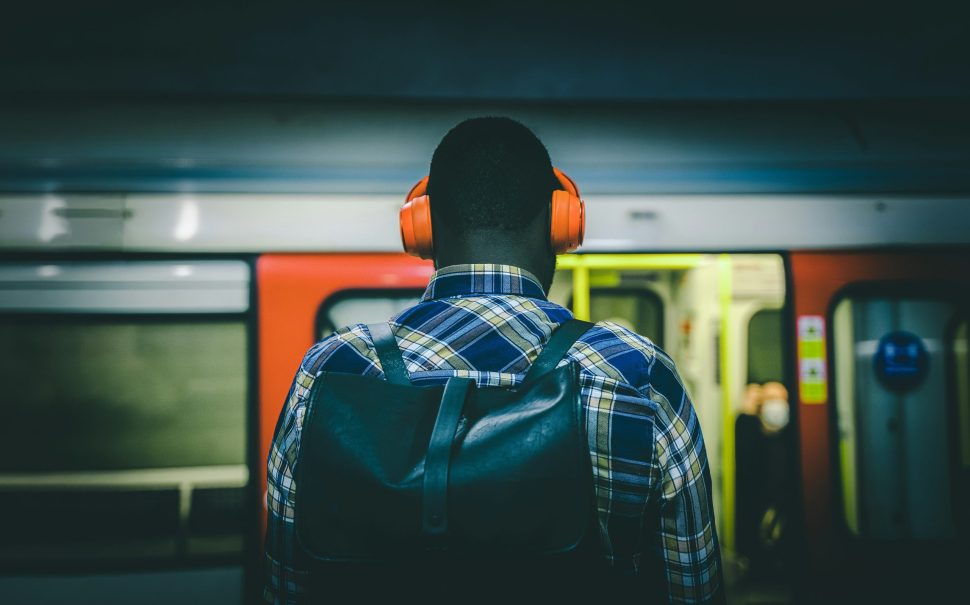
Audiologists have named overuse of headphones as a cause for an increase in tinnitus, according to a report by the British & Irish Hearing Instruments Manufacturers Association (BIHIMA).
Tinnitus is a condition affecting an estimated 10–15% of the UK population, characterised by ringing in the ears or hearing loss, often linked to loud noise exposure.
This condition is caused when the sensory hair cells responsible for detecting noise in the cochlea are shaken too violently by sound vibrations, causing these hair cells to be bent.
Within the Audiologist Survey Report, published by the BIHIMA, an anonymous practitioner said: “I am seeing more cases of tinnitus in under 50s, mainly due to the use of headphones or music ear buds.”
According to the World Health Organisation, prolonged exposure to sound above 85 decibels has the potential to cause permanent hearing damage.
To protect industrial workers, UK law prohibits workers from enduring sounds of 85 decibels or louder without ear protection, although popular headphones such as Apple AirPods can reach levels of 108 decibels at maximum volume.
It is possible for hearing damage to occur with the AirPods Max at volumes as small as 60% with prolonged and consistent use.
Paul Turner, senior lecturer in Audiology at City St George’s University in London, said: “A significant minority of headphone users, around 15%, are likely to cause damage to their hearing in the long term.”
According to a poll of 2,000 adults by Specsavers, 28% of Britons refuse to leave their house without their headphones, whilst 15% repeatedly ignore Apple’s loud volume warning that lets users know when they have exceeded the seven day exposure limit.
The Specsavers research also found that headphone users listen to their personal stereos for an average of 90 minutes per day, yet devices such as the AirPods Pro (third generation) and AirPods Max can potentially cause long-term hearing damage in far less time than this.
Turner said: “People don’t really appreciate that decibels are a log scale, meaning that a small increase in the decibel value is actually quite a significant increase in the amount of sound energy.”
Safe sound exposure time drops rapidly above 85 decibels, with every three dB increase halving the recommended daily sound limit, meaning that 88 dB is safe for nearly four hours whilst 91 dB is only safe for two.
Consistent use of 100% volume on the Apple AirPods Max could cause long-term damage to hearing in under three minutes with consistent use, less than the average duration of one song in the 2020s.
Listening to audiobooks and podcasts also carries risk, as playing them for over one hour at 70% volume on AirPods Max can harm your hearing in the long term.
Kelly Conroy, a doctor of audiology at the Mayo Clinic in Arizona, promotes safe headphone usage through the 60/60 rule, which defines safe sound exposure as 60% volume for a maximum of 60 minutes per session.
Generation Z are exhibiting behavioural risk of damaging their hearing health through headphone use, as 27% increase their headphones volume after receiving an iPhone loud volume notification according to Specsavers’ poll.
This begs the question: will permanently plugged-in, headphone-dependent Generation Z damage their hearing in the future?
Featured image: Andrea De Santis via Unsplash




Join the discussion